
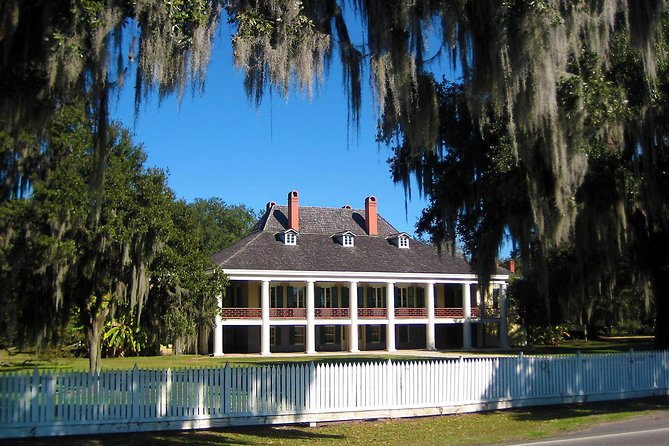
Reviewed · NEW ORLEANS TOURS
Destrehan Plantation Tour
The most important part of Destrehan Plantation is not the grand house. It is the effort to explain the full plantation system, including the lives of enslaved people and the 1811 Slave Revolt, the largest uprising of its kind in United States history. Costumed interpreters bring the political, social, and economic story into focus.
I like the small group size, capped at 19 people, because it gives you a better chance to hear the guide and ask questions. I also like the freedom to walk the grounds and dependency buildings after the main tour, including the enslaved registry, outdoor kitchen, and revolt exhibit. The main drawback is the timing: the booking information says about 45 minutes, while the on-site program allows about two hours. Plan around the longer visit.
Key things to know before you go
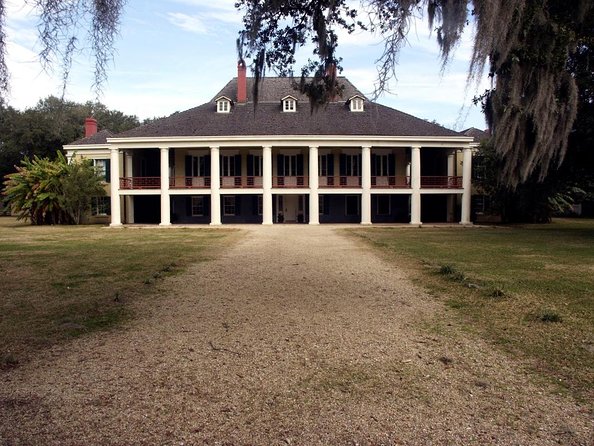
- The 1811 Slave Revolt gets serious attention: The overseer’s cabin contains an exhibit devoted to one of the largest slave uprisings in United States history.
- Costumed guides lead the main tour: Guides including Jim, Beverly, Jordan, Kelly, and Ann have been praised for clear explanations and engaging storytelling.
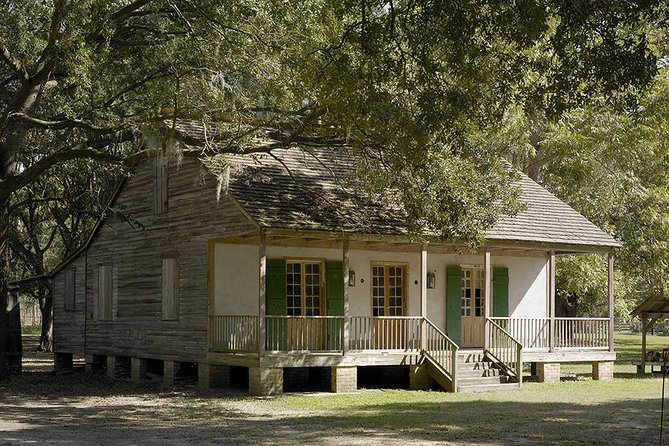
- You see more than the main house: Cabins, an outdoor kitchen, a washroom, a trapper’s cabin, and a room of original documents fill out the picture.
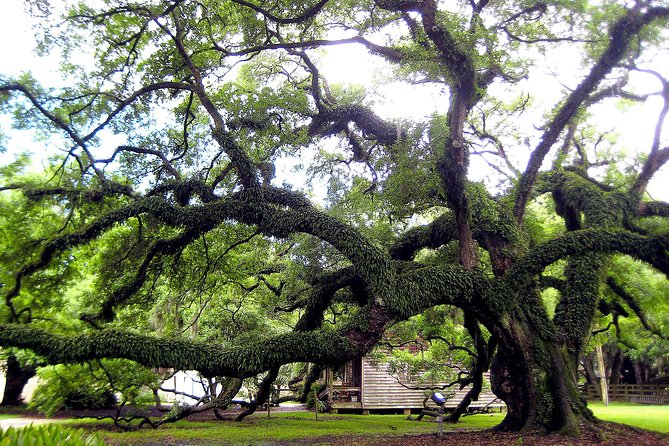
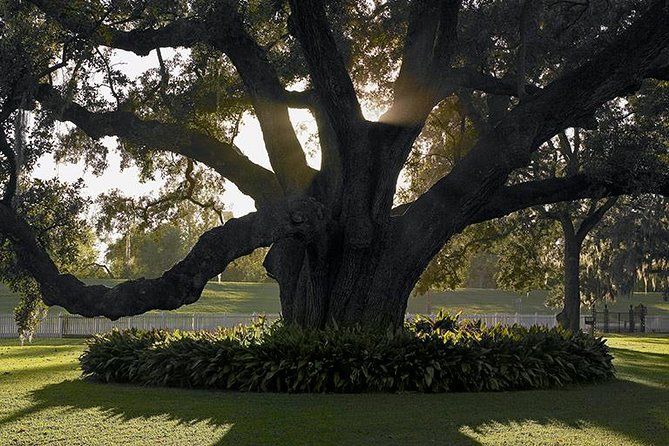
- The grounds are part of the experience: Large oak trees and a peaceful setting make time outdoors worthwhile after the guided portion.
- It is close to New Orleans: You can reach the site by rideshare or taxi, making it a useful choice if you do not want a full day of plantation visits.
- The price is moderate: At $29.70 per person, the visit offers a guided tour plus access to the grounds and several historic buildings.
Why Destrehan is worth your time
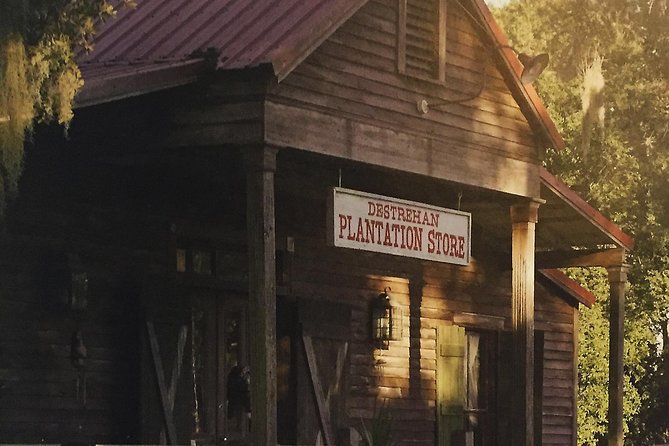
Destrehan Plantation gives you a compact look at Louisiana plantation life without requiring a full-day outing from New Orleans. The setting is peaceful, but the subject is not. The tour deals with wealth, labor, family power, slavery, and resistance in the same place.
That balance matters. A plantation tour can become too focused on architecture and old furniture. Here, the stated focus includes the site’s political, social, and economic life. You learn how the plantation functioned, who held power, and how enslaved people lived under a system built on forced labor.
The 1811 Slave Revolt is a major reason to choose Destrehan. The uprising is often less familiar to visitors than other events in American history, yet it gives the tour a strong connection to resistance and the limits of plantation power. The exhibit in the overseer’s cabin helps move the story beyond the main house.
You should still come prepared for an emotionally difficult subject. The tour explains the harsh conditions faced by enslaved people, and some stories are personal and painful. That is a reason to visit with attention, not a reason to avoid the site.
More to weigh up across New Orleans
- New Orleans Premier Ghost, Voodoo and Vampire Walking Tour
★ 4.5 · 12,856 reviews - New Orleans Steamboat Natchez Jazz Cruise with Dinner Option
★ 4.0 · 7,533 reviews - Adults-Only New Orleans Ghost, Crime, Voodoo, and Vampire Tour
★ 5.0 · 6,545 reviews
Entering the main house with a costumed interpreter
The guided portion begins at the plantation house. A costumed historical interpreter tells stories about the people who lived and worked there, both free and enslaved. This format gives the tour a sense of place without pretending that the past was simpler or more polite than it was.
The best guides appear to be strong storytellers as well as fact providers. Jim, often identified by his playful clarification of Jim with one M, is repeatedly praised for holding attention and explaining details clearly. Beverly is noted for making the difficult history thought-provoking while staying in character. Jordan, Kelly, Kaitlin, Sarah, and Clint are also singled out for clear, engaging tours.
Guide quality can vary with the individual leading your group, but the repeated emphasis on storytelling is encouraging. You are not simply handed a list of dates. The guide explains the families, the building, major events, and the people who maintained the plantation.
Look closely at the construction and upkeep details. The house is visually impressive, but the more useful questions involve how it was built, maintained, and preserved. One recent account specifically praised the explanations of construction, maintenance, restoration, and the history of the owners.
The main house is also where the contrast between comfort and labor becomes most visible. You see the setting associated with the plantation owners, then learn how the entire system depended on enslaved workers. That contrast is central to understanding the site.
The 1811 Slave Revolt exhibit in the overseer’s cabin
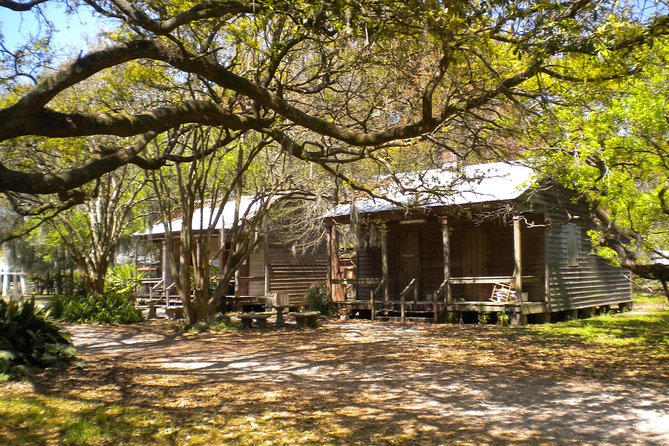
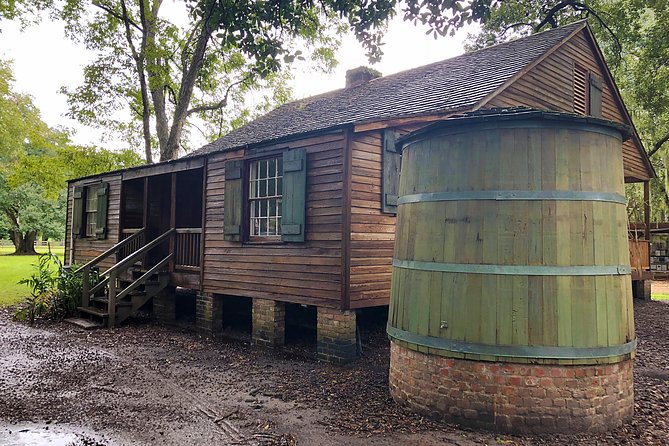
After the main house, the experience expands into the dependency buildings. The overseer’s cabin contains the 1811 Slave Revolt Exhibit, which is one of the most important stops on the property.
The uprising took place in Louisiana and involved enslaved people resisting the plantation system. The tour presents it as the largest uprising in United States history, giving you a way to connect Destrehan to a wider story of organized resistance.
This part of the visit may be more valuable than another room of period furnishings. It helps explain that enslaved people were not passive figures in the plantation story. They made decisions, took risks, resisted oppression, and faced severe consequences.
Ann is specifically praised for explaining the revolt and the related history in the museum area. If your visit includes her, take the time to ask questions. The revolt is complex, and a clear explanation can make the exhibit far more meaningful than a quick walk-through.
The subject also adds balance to the architectural appeal of Destrehan. You may arrive drawn by the house and oak trees, but the revolt exhibit is where the property’s history becomes most challenging and relevant.
Slave cabin, registry, kitchen, and washroom
The additional buildings are not filler. They show how daily work supported the plantation and how different groups experienced the same property.
A slave cabin includes an enslaved registry. That document helps put names and identities into a story that can otherwise become abstract. Take your time here. A registry is a reminder that the people forced to work at Destrehan were individuals recorded, controlled, and treated as property by law.
The outdoor kitchen shows the work required to feed the household and plantation community. The washroom points to the physical routines that kept the property running. A trapper’s cabin adds another part of the area’s working life.
You might find that these smaller buildings require more imagination than the main house. They are less polished and often less visually dramatic. Their value comes from the questions they raise: Who worked here? How long did the work take? Who benefited from it? What did daily life feel like for the people doing it?
The visit also includes a folk-life demonstration. The supplied information does not specify which demonstration will be offered on a particular day, so treat it as an added activity rather than the main reason to book. The historical buildings and guided interpretation are the dependable core.
A different kind of day, same corner of the map:
- New Orleans Food Walking Tour of the French Quarter with Small-Group Option
★ 5.0 · 6,118 reviews - New Orleans Swamp and Bayou Boat Tour with Transportation
★ 5.0 · 5,399 reviews - New Orleans Steamboat Natchez Jazz Cruise
★ 4.5 · 5,334 reviews - New Orleans City Sightseeing Hop-On Hop-Off Bus Tour
★ 4.5 · 4,943 reviews
The Legacy Room and original documents
The Legacy Room displays original documents and artifacts connected with family members. This room gives you a closer look at the people connected with the plantation and the records left behind.
Original documents can be a strong counterpoint to a costumed presentation. The interpreter gives you the story in human terms, while the papers and objects offer physical evidence from the period. Together, they help connect broad topics such as ownership, inheritance, labor, and family life to actual records.
Pay attention to how the Legacy Room fits into the larger narrative. The purpose is not simply to admire old objects. It is to see how the family’s history was preserved and how that surviving record compares with the limited documentation available for enslaved people.
The tour’s strongest moments come from this contrast. The plantation owners left rooms, papers, and family artifacts. Enslaved people are often represented through registries, work spaces, and records shaped by the system that controlled them. Destrehan’s buildings allow you to consider both sides of that unequal history.
Walking beneath the oaks after the tour
The grounds are peaceful and picturesque, with large oak trees that give the property much of its visual appeal. After the guided portion, you can explore the grounds and dependency buildings on your own.
I would not rush away after the main house. The walk gives you time to think through what the guide has explained and to see the relationship between the house, cabins, and work areas. The setting is especially useful for families, since children may connect more easily with visible buildings and outdoor space than with a long lecture indoors.
The grounds also make Destrehan feel less hurried than a simple house tour. You can pause, take photographs where allowed, and revisit a building that caught your attention. One practical point from the available information is that visitors may explore the grounds independently after the guided tour.
The property’s beauty should be enjoyed, but it should not soften the history. The oak trees and quiet surroundings create a calm setting for a serious subject. That contrast is part of the experience, not an excuse to treat the plantation as a decorative old home.
Price, timing, and transportation from New Orleans
The listed price is $29.70 per person. For that amount, you receive admission to the plantation, the guided interpretation, access to the historic buildings, the exhibits, and time on the grounds. I consider that fair value if you want both architecture and social history rather than a quick photo stop.
The biggest planning issue is the duration. The tour summary lists approximately 45 minutes, while the detailed on-site schedule gives two hours and several people advise allowing at least two hours. I would plan for two hours. If the formal guided section ends sooner, you will still want time for the cabins, Legacy Room, revolt exhibit, and grounds.
The meeting point is 13034 River Road in Destrehan, Louisiana. The activity begins and ends there. You can reach it by rideshare or taxi, and the site is described as a short drive from New Orleans.
That transport option is useful if you are staying in New Orleans and do not want to arrange a rental car. Still, rideshare availability and return pickup can change, so give yourself enough time and confirm your return plan before leaving the city. The provided information does not include a shuttle service or hotel pickup.
The maximum group size is 19 people. That is small enough for a more personal visit than a large coach group, while still being large enough that you may not have constant access to the guide. Arrive ready to listen closely, especially during the revolt exhibit and in the smaller buildings.
The tour is offered in English. Service animals are allowed, and most people can participate. The site may involve walking between buildings and spending time outdoors, so consider your own comfort with that format.
Who will get the most from Destrehan Plantation
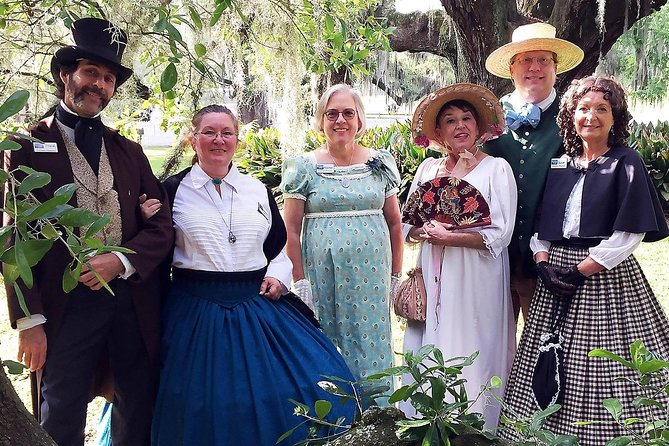
This tour suits you if you want a serious, focused introduction to plantation history near New Orleans. It works well for couples, families, solo visitors, and small groups, with enough variety to hold the attention of people who prefer buildings, documents, or outdoor walking.
Families should appreciate the shorter format compared with an all-day outing, though the subject of slavery requires age-appropriate preparation. The grounds offer room to move, but the core material is historical and sometimes difficult.
It is also a good fit if you have already seen historic homes and want more than architecture. The 1811 Slave Revolt exhibit, enslaved registry, and work buildings shift the focus toward power, labor, and resistance.
You may be less satisfied if you want a long, elaborate house tour filled mainly with furniture and decorative details. Destrehan’s strength is the broader story. The house matters, but it is only one part of the visit.
The range of guides adds a human element. Jim is praised for his humor and ability to keep people engaged. Beverly is noted for thoughtful interpretation in period costume. Jordan and Kelly are described as clear and engaging, while Clint is credited with answering questions and adding background details. You cannot choose your guide from the information provided, but the repeated names suggest a staff comfortable with the subject.
My verdict: book it if you want history with context
Book Destrehan Plantation if you want a convenient New Orleans-area visit that treats the plantation as a working social system, not just a beautiful old house. The 1811 Slave Revolt exhibit and enslaved registry give the tour weight, while the oak-shaded grounds and small buildings keep the visit varied.
At $29.70, the value is solid, especially if you use the full time available. Plan for two hours, arrange your rideshare or taxi carefully, and leave room to walk the grounds after the guided tour.
Skip it only if your schedule is so tight that you can spare just 45 minutes, since the timing information is inconsistent and the property deserves more than a quick pass. For most visitors interested in Louisiana history, Destrehan offers a thoughtful and manageable outing close to New Orleans.
FAQ
Where is Destrehan Plantation located?
Destrehan Plantation is at 13034 River Road, Destrehan, Louisiana 70047, USA.
How much does the tour cost?
The listed price is $29.70 per person.
How long does the experience last?
The tour summary gives an approximate duration of 45 minutes, while the detailed program allows two hours. Plan to spend up to two hours so you have time for the house, exhibits, dependency buildings, and grounds.
Is the tour offered in English?
Yes. The experience is offered in English.
What is included in the visit?
Admission includes the guided plantation tour and access to the grounds and dependency buildings, including the slave cabin, overseer’s cabin, outdoor kitchen, washroom, trapper’s cabin, and Legacy Room.
Does the tour discuss the 1811 Slave Revolt?
Yes. The overseer’s cabin contains an exhibit about the 1811 Slave Revolt, described as the largest uprising in United States history.
Can I explore the grounds after the guided tour?
Yes. You can self-explore the grounds and dependency buildings after the guided portion.
How do I get to Destrehan Plantation from New Orleans?
The site is accessible by rideshare or taxi and is described as a short drive from New Orleans.
How many people can join the tour?
The activity has a maximum of 19 participants.
Is cancellation free?
Yes. You can cancel at least 24 hours before the experience start time for a full refund. Cancellations or changes made less than 24 hours before the start time are not refunded or accepted.
Newly listed in New Orleans
- New Orleans Highlights of the Garden District Walking Tour★ 5.0 · 492 reviews
- New Orleans: Night Cemetery and Ghost BYOB Bus Tour★ 4.2 · 496 reviews
- Ghost Hunt Experience★ 5.0 · 505 reviews
- Small-Group Bayou Airboat Ride with Transport from New Orleans★ 5.0 · 512 reviews
- New Orleans: Garden District Guided Walking Tour★ 4.9 · 514 reviews
- French Quarter Small-Group Cocktail and Foodie Crawl★ 5.0 · 519 reviews
- New Orleans Hop-On Hop-Off Unlimited Sightseeing Package★ 4.5 · 528 reviews
- New Orleans Private Carriage Tour of the French Quarter★ 5.0 · 537 reviews
New Orleans Tours, compared.
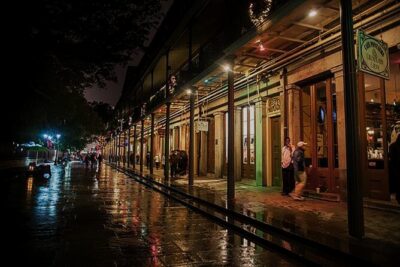
New Orleans Premier Ghost, Voodoo and Vampire Walking Tour
Read our review →
New Orleans Steamboat Natchez Jazz Cruise with Dinner Option
Read our review →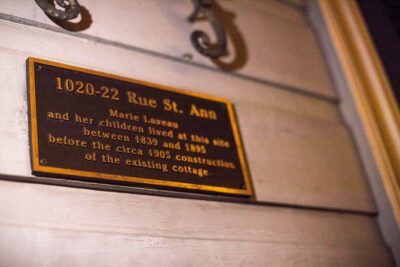
Adults-Only New Orleans Ghost, Crime, Voodoo, and Vampire Tour
Read our review →
New Orleans Food Walking Tour of the French Quarter with Small-Group Option
Read our review →
New Orleans Swamp and Bayou Boat Tour with Transportation
Read our review →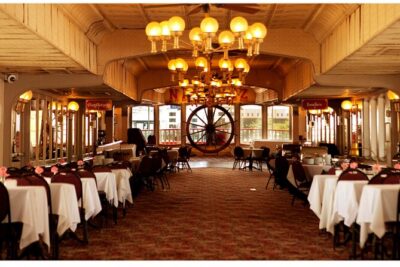
New Orleans City Sightseeing Hop-On Hop-Off Bus Tour
Read our review →
Browse the lists this tour appears in