
Reviewed · MEMPHIS TOURS
Memphis Mojo Bus Tour
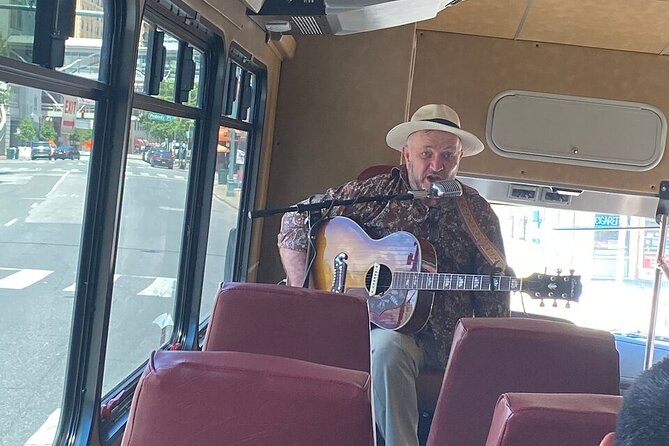
Memphis Mojo is not a quiet sightseeing loop. It is a live music show on wheels, with a Beale Street musician singing, playing, joking, and explaining how blues, rock ’n’ roll, and Southern soul grew out of this city. You roll past Beale Street, Sun Studio, Stax, the Lorraine Motel, Cotton Row, and the homes tied to Elvis and B.B. King.
I like two things right away: the music makes the history easier to remember, and the route covers far more ground than you could manage on foot in a short visit. Guides such as Cecil, Taylor, and Andrew have drawn especially strong praise for their singing, comic timing, and command of Memphis music.
The main caution is scope. This is a fast-moving overview, not a series of long museum visits, and Graceland is not on the route. If Sun Studio or Stax Museum matters most to you, check the booking option carefully and allow extra time for the admission portion.
Key things to know before you book
- Live Beale Street musicians lead the ride: Your guide is also the entertainment, singing songs linked to Elvis, B.B. King, Jerry Lee Lewis, Carl Perkins, and other Memphis figures.
- The route joins music with civil rights history: You pass the Lorraine Motel and learn about the 1968 sanitation strike and the assassination of Rev. Dr. Martin Luther King Jr.
- Sun Studio and Stax Museum admission may be optional: The basic tour does not include either attraction unless you select the appropriate option.
- The outing starts and ends at Alfred’s on Beale: This makes it easy to pair with a meal, nightlife, or a walking visit to downtown Memphis.
- The schedule can run from 90 minutes to about three hours: The longer version may reflect added admission visits and timing on the day.
- Arrive early: The bus may leave after only about five minutes, and missing it can mean no refund.
Why the Mojo Bus works in Memphis
Memphis music is best understood as a chain of places, people, and sounds. A studio on one side of town connects to a club downtown, which connects to a church, a record label, a hotel, or a neighborhood where a future star lived.
That is hard to grasp from a single museum. The Mojo Bus gives you a citywide view first. You hear a song, pass the place tied to it, and then get the next piece of the story from the guide. I like that format because it gives you a useful map before you decide where to spend more time on foot.
The tone is lively rather than academic. Your guide may turn a fact about Sun Records into a song, follow a story with a joke, or invite interaction from the bus. Cecil, Taylor, and Andrew are among the guides praised for combining singing with clear storytelling. The driver is part of the show too, with Sean and Princess singled out for making the ride smooth, friendly, and easygoing.
You should expect entertainment, not a formal lecture. The strongest guides seem to use music as the main teaching tool. That suits Memphis. A dry explanation of a recording session is useful, but hearing a representative song while passing a related landmark gives the moment more weight.
More to weigh up across the USA
- Memphis City Tour with Optional Riverboat Cruise & Sun Studio Add-On Options
★ 4.5 · 1,804 reviews - Taste of Downtown Memphis Food Tour
★ 5.0 · 909 reviews - Haunted Memphis Walking Ghost Tour
★ 4.5 · 764 reviews
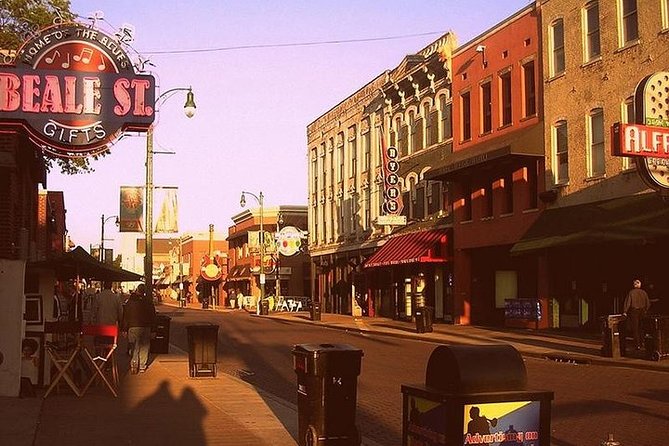
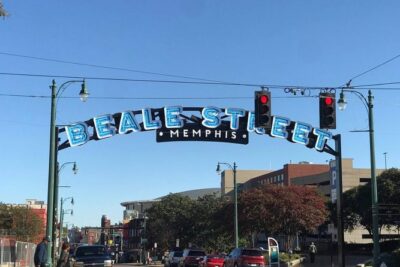
Starting on Beale Street at Alfred’s
The tour begins at Alfred’s on Beale, at 197 Beale Street, and returns there at the end. You spend only a short time at the meeting point, so do not treat the starting time as a loose suggestion.
Beale Street is the right launch point. It is the city’s famous blues corridor and a natural place to introduce W.C. Handy, often called the Father of the Blues. The guide explains how Handy’s work helped shape the music associated with Memphis and the wider South.
Starting here also gives you an immediate sense of place. You are not first parked in a distant lot and then told about Memphis. You begin in the middle of one of the city’s best-known music streets.
A practical tip: parking is available in several garages and open-air lots within a few blocks. The nearest garage listed for the tour is at 149 Peabody Place, about two blocks from Alfred’s. Metered spaces may also be available on nearby streets, but I would not rely on finding one at the last minute.
You can also build the tour into a downtown plan. Since the bus finishes where it starts, you can continue on Beale Street afterward rather than arranging a second ride across town.
Cotton Row, the Peabody, and the Mississippi River
The early part of the ride adds Memphis beyond music. You learn about the Peabody Hotel, the South’s grand hotel, and Cotton Row, the historic district tied to the city’s cotton trade.
The tour also explains the Cotton Exchange and the role of the Mississippi River. These stops matter because Memphis did not grow on music alone. The river, cotton, commerce, and transport shaped the city before the recording studios made it famous around the world.
You will not have a long walking visit at each site. The bus format is better for orientation than close inspection. I see this as useful early in a Memphis stay: you get a broad outline of the city, then you can return to the places that catch your interest.
The river segment is especially helpful for putting the city in context. Memphis is often sold through musical landmarks, but the river explains why this location became such an important Southern center.
Presley’s early Memphis years and Danny Thomas
The bus goes beyond the familiar Elvis story by pointing out the Presley family’s first real home in Memphis. That adds a more grounded chapter to the legend. You are not only hearing about the polished star at the height of his career, but also about the family’s earlier life in the city.
The guide also covers Danny Thomas and St. Jude Children’s Research Hospital. This gives the ride another Memphis connection, linking music and entertainment with the city’s major charitable institution.
Elvis receives a good deal of attention on this tour, which makes sense given Memphis’s role in his career. Still, the program is intended to include B.B. King, Johnny Cash, Otis Redding, and other figures connected to the city’s blues, rock, and soul story.
One important limitation is that the route does not go to Graceland. If Graceland is your main reason for coming to Memphis, you need a separate plan. The Mojo Bus is better for learning how Elvis fits into the wider city than for visiting his best-known home.
A different kind of day, same corner of the map:
- NYC: SUMMIT One Vanderbilt Tickets
★ 4.7 · 51,195 reviews - NYC: 9/11 Memorial & Museum Timed-Entry Ticket
★ 4.8 · 31,428 reviews - NYC: Empire State Building Tickets – Observatory & Museum
★ 4.7 · 25,757 reviews - NYC: Empire State Building Observation Deck Tickets
★ 4.7 · 22,072 reviews
Sun Studio and the birth of rock ’n’ roll
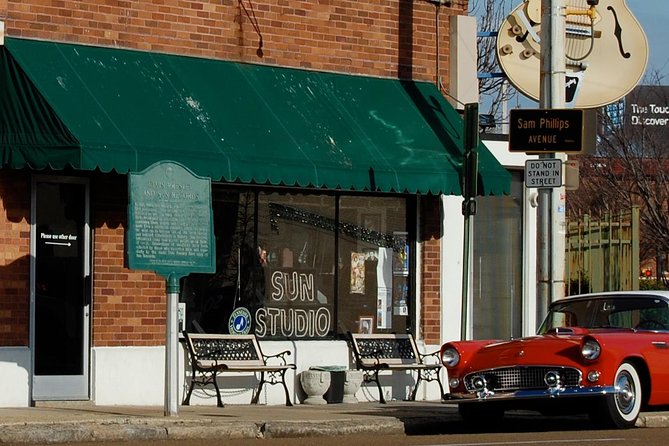
Sun Studio is one of the major musical anchors of the ride. The guide explains why the studio is called the birthplace of rock ’n’ roll and discusses Sam Phillips, whose recording work helped launch several major careers.
The bus also covers Sam Phillips’ second recording studio, the successor to Sun Studio. That detail is easy to miss if you only focus on the famous original building. It shows that Memphis music was built through a working recording culture, not one lucky session.
Sun Studio admission is optional. If you select it, the booking can include the admission fee. If you choose the basic ride, admission is not included, so read the option details before paying.
I would choose the Sun Studio add-on if you care about recording history. The bus gives you the citywide frame, while the studio visit gives you a closer look at one of the places where the sound took shape. The combination is more useful than either piece by itself.
Allow some flexibility if you add the studio visit. One detailed account noted a restroom wait there, and the stop may have a line. That is a small matter, but it is worth handling before you are back on the bus.
Ten minutes at Overton Park Shell
Overton Park is the main short stop listed on the route. The bus pauses for about ten minutes at the Overton Park Shell, the outdoor venue connected to Elvis’s first concert.
This is a quick look, not a full concert-site tour. The stop depends on availability and weather, so you should not count on a long break there. Still, it gives the guide a strong story to tell: Elvis was not yet the global icon associated with later years, and early performances such as this one belong to the city’s musical foundation.
The brief pause also breaks up the ride. Most of the tour is viewed from the bus, so the Overton Park stop gives you a chance to step off, stretch, and see a location at closer range.
The tour then explains Overton Square and Lafayette’s, adding another layer to Memphis nightlife and performance culture. These names help show that Memphis music is spread through different districts, not confined to Beale Street.
Stax Records and Southern soul
Stax Records is the key stop for anyone who wants more than an Elvis-centered tour. The guide covers Otis Redding, Sam & Dave, the Staples Singers, Booker T. and the MG’s, and the many musicians connected with Southern soul.
This part should be a major reason to book the Mojo Bus. Memphis is not only the birthplace of rock ’n’ roll. Its soul sound carried a different force, built through gospel, rhythm and blues, horns, organ, tight house bands, and powerful vocalists.
Stax Museum admission may be added to the booking, but it is not included in the standard tour unless you select that option. If you want time inside the museum, confirm that you have purchased the version that includes admission.
The bus commentary will not replace the museum. It will, however, explain why Stax belongs in the same Memphis conversation as Sun Studio. Sun is closely tied to early rock and the crossing of blues and country. Stax shows another side of the city, one rooted in Southern soul and ensemble playing.
The Lorraine Motel and Memphis civil rights history
The most serious section of the ride comes with the Lorraine Motel and the story of Rev. Dr. Martin Luther King Jr.’s assassination. The route also addresses the 1968 sanitation strike, a major event in Memphis civil rights history.
This part changes the mood, and it should. Memphis music and Memphis civil rights history are not separate subjects. Churches, neighborhoods, labor struggles, and racial injustice shaped the people and sounds that came from the city.
The tour gives you an introduction to the Lorraine Motel area, but it is not a substitute for visiting the National Civil Rights Museum. You pass by the civil rights site and hear important context, then you can return later for a longer, quieter visit if your schedule allows.
I value this part because it prevents the ride from becoming a string of celebrity landmarks. You see that Memphis is a place of achievement and pain, not just catchy songs and famous names.
The account of King’s final moments, including the request associated with Precious Lord, Take My Hand, can be especially moving. The guide’s delivery matters here. A gifted storyteller can handle the subject with care, but you should still expect the tone to become more reflective than the rest of the ride.
How much music and comedy should you expect?
Live performance is the central feature. Your guide sings and may play guitar while the bus moves through the city. Songs associated with Elvis, B.B. King, Jerry Lee Lewis, Carl Perkins, and others help connect the landmarks to the sound they produced.
That format is the reason the Mojo Bus earns such high marks. It is not simply a vehicle with recorded narration. The person explaining the music is also performing it, which makes the ride feel more personal and less like a standard sightseeing circuit.
The comic side helps keep a long list of names and dates from becoming heavy. Guides such as Cecil and Taylor have been praised for their energy, while Andrew has also been called out as an excellent performer. The exact guide depends on the departure, so you should not book expecting one particular person unless the operator confirms it.
The tradeoff is that the experience depends partly on the guide’s style. A strong musician can make a familiar story fresh. If you prefer quiet, detailed museum interpretation, the live show may feel a little loud or broad. For most people looking for a fun first look at Memphis, that energy is the point.
Price, timing, and the real value
At $43.90 per person, the Mojo Bus is priced as a compact city orientation with live entertainment. I think the value is strongest during a first Memphis visit, when you want to understand how Beale Street, Sun, Stax, the riverfront, Overton Park, and the civil rights sites fit together.
The advertised duration ranges from about 90 minutes to three hours. The shorter end makes sense for the driving and live commentary. The longer end likely reflects additional timing and optional admissions, especially Sun Studio or Stax Museum.
The basic ride includes a guide, sightseeing, and local taxes. Hotel pickup and drop-off are not included, so you need to reach Alfred’s on Beale yourself.
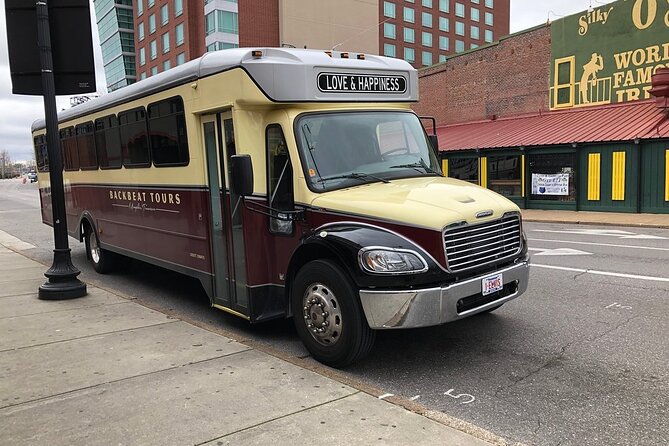
The bus holds a maximum of 36 people. That is large enough to create a lively group but small enough for the guide’s performance to reach the cabin. You should expect a shared group setting rather than a private tour.
The cancellation rule is simple but strict: cancel at least 24 hours before the start time for a full refund. Inside that window, changes and refunds are not accepted. The tour can also be canceled for poor weather or if the minimum number of bookings is not met, in which case you are offered another date, another experience, or a full refund.
Who will enjoy this Memphis music tour?
I would recommend it to you if:
- You are visiting Memphis for the first time and want a citywide orientation.
- You like blues, rock ’n’ roll, country, or Southern soul.
- You prefer music and humor mixed with sightseeing.
- You want to see several districts without arranging separate rides.
- You plan to visit Sun Studio or Stax Museum and want context first.
- You are traveling with family members who may not want a long indoor museum visit at the start.
It may not suit you if you want an in-depth visit to every landmark. Most stops are viewed from the bus, and the Overton Park pause is only about ten minutes when available.
It is also not the right single tour for an Elvis-only itinerary. Graceland is absent, and the focus reaches well beyond Elvis to B.B. King, Stax, civil rights history, the river, and Memphis’s wider cultural past.
My booking advice
Book the Mojo Bus early if the timing fits your Memphis plans. It is booked, on average, about 24 days ahead, and the maximum group size is 36. Choose the Sun Studio or Stax Museum option if you already know you want admission, since the basic price does not include those entries.
Arrive well before departure. The meeting point is Alfred’s on Beale, and the bus may wait only about five minutes. One missed departure resulted in no refund, even when the passenger called to report being late, so this is not a tour to approach casually.
Bring a little patience for restroom timing. A restroom stop at Overton Park is not guaranteed, and a line at Sun Studio can delay you. If you buy a drink at Alfred’s, ask whether you may bring it aboard rather than assuming the answer.
Should you book the Memphis Mojo Bus?
Yes, if you want a fun first look at Memphis through its music rather than a quiet list of landmarks. The singing guides, comic storytelling, and broad route make the $43.90 fare a fair buy for an introduction to the city.
Book it with realistic expectations. You will not tour Graceland, spend long periods at every stop, or replace the National Civil Rights Museum, Sun Studio, or Stax Museum with one bus ride. But you will hear the city’s major musical chapters, see where many of them unfolded, and finish with a much better plan for exploring Memphis on your own.
FAQ
Where does the Memphis Mojo Bus Tour begin?
It begins at Alfred’s on Beale, located at 197 Beale Street in Memphis, Tennessee.
Where does the tour end?
The tour ends back at the meeting point at Alfred’s on Beale.
How much does the tour cost?
The listed price is $43.90 per person.
How long does the tour last?
The tour lasts approximately 1 hour 30 minutes to 3 hours. Timing can vary, especially if you select an option that includes admission to Sun Studio or Stax Museum.
Is the tour offered in English?
Yes. The tour is offered in English and provides a mobile ticket.
Does the tour include Sun Studio admission?
Sun Studio admission is not included in the basic tour. It is included only if you select the option that includes it.
Does the tour include Stax Museum admission?
Stax Museum admission is not included unless you select the option that includes admission.
Does the tour go to Graceland?
No. Graceland is not part of the stated route.
Can I cancel for a full refund?
Yes, if you cancel at least 24 hours before the experience start time. Cancellations or changes made within 24 hours are not refunded. The tour may also offer a different date or a full refund if poor weather or insufficient bookings cause the operator to cancel.
Newly listed in the USA
- The Maui Butterfly Farm Tour★ 5.0 · 446 reviews
- NON BUS 4 Winery Traverse City Wine Tour on Old Mission Peninsula★ 5.0 · 445 reviews
- New England Aquarium Admission Ticket in Boston★ 4.0 · 446 reviews
- New Orleans City Tour and Steamboat Natchez Harbor Jazz Cruise★ 4.0 · 446 reviews
- Alpaca and Llama Farm Tour★ 5.0 · 446 reviews
- Small-Group Laura and Whitney Plantation Tour from New Orleans★ 4.5 · 446 reviews
- Dreaded Dead Descent of the District: DC Ghost Tour★ 4.0 · 446 reviews
- Cañon City: Royal Gorge Bridge & Park Entry Ticket & Gondola★ 4.5 · 448 reviews
Memphis Tours, compared.

Memphis City Tour with Optional Riverboat Cruise & Sun Studio Add-On Options
Read our review →


Guided Memphis City Tour that includes Riverboat Cruise
Read our review →Browse the lists this tour appears in