
Reviewed · WILDLIFE
Grand Teton Wildlife Safari in a Enclosed or Open-Air Vehicle (season dependent)
Grand Teton wildlife safaris are built around the park’s best show: animals at dawn and dusk, when elk, moose, deer, and other species are most active. From Teton Village, you ride dirt roads and paved park highways with a naturalist guide who knows how to scan the woods, fields, river corridors, and mountain slopes.
I like two things right away. The small group, capped at 12 people, gives you a better chance to ask questions and get a clear view through the guide’s binoculars or spotting scope. I also like the practical extras: snacks, drinks, blankets on chilly outings, and guides who often take photos for the group.
The main consideration is simple: wildlife is never guaranteed. One four-hour sunrise outing produced only a distant moose and a few pronghorn, so you are paying for expert searching, park interpretation, and the safari setup, not a promised bear or wolf sighting.
Key details to know before you book
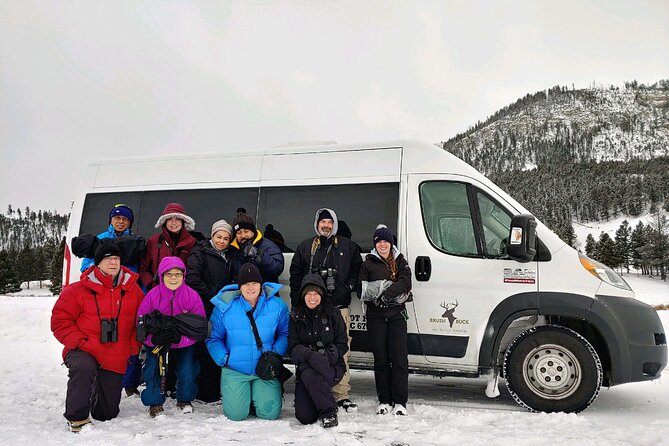
- Open-air rides are seasonal: From June through mid-September, weather permitting, you ride in a customized safari vehicle with the wind and cold close at hand.
- Heated vehicles handle the colder months: Fall and winter trips use an enclosed vehicle, with winter tours running from September 1 through June 14.
- Sunrise and sunset are smart choices: These periods often offer better animal activity and softer light for photographs.
- Binoculars and a spotting scope are included: This matters because many animals remain well away from the road.
- Mormon Row is a seasonal bonus: March through November tours stop at the historic barns, but snow usually removes this stop from December through February trips.
- The price is $159 per person: Park admission is extra, and summer hotel pickup is not included.
Four hours in Grand Teton with a wildlife guide
You meet at 210 North Cache Street in Jackson, then head toward Grand Teton National Park. Hotel pickup is available on request in the approved Jackson Hole area from November through mid-May, but summer pickup and drop-off are not included.
The ride covers part of a park that stretches across about 310,000 acres. You are not simply driven to one animal viewing point and brought back. The guide searches as the vehicle moves, watches for movement along the road, and stops at scenic overlooks, wildlife areas, and points of interest.
That method makes the guide important. A moose may be partly hidden in trees. An elk herd may blend into a distant field. A bear may appear near a road for only a short time. Guides including Kyle, Kelsey, Anthony, Allie, Cameron, and Neil have been singled out for spotting animals, explaining what you are seeing, and helping everyone in the vehicle share the view.
The trip also covers more than animal names. You hear about the park’s geology, ecology, human settlement, culture, and history. That extra context helps turn a string of sightings into a better understanding of why wildlife uses certain areas and how the Teton region developed.
More to weigh up across Jackson
- Miami: Everglades Safari Park Airboat Tour
★ 4.4 · 1,267 reviews - Everglades Airboat Safari Adventure with Transportation
★ 3.0 · 956 reviews - 3 Hour Off-Road Sunset Safari to Grand Canyon with Entrance Gate Detour
★ 5.0 · 904 reviews
Choosing sunrise or sunset
The tour runs in the morning or evening. Both options can work, but they feel different.
A sunrise departure gives you the best chance of being out during the cooler part of the day, when animals are often moving. It also gives you early light on the Teton peaks. The tradeoff is temperature. Even a summer sunrise can feel cold in an open vehicle, so bring a jacket. One useful touch is that blankets may be available, but coffee is not listed among the included refreshments.
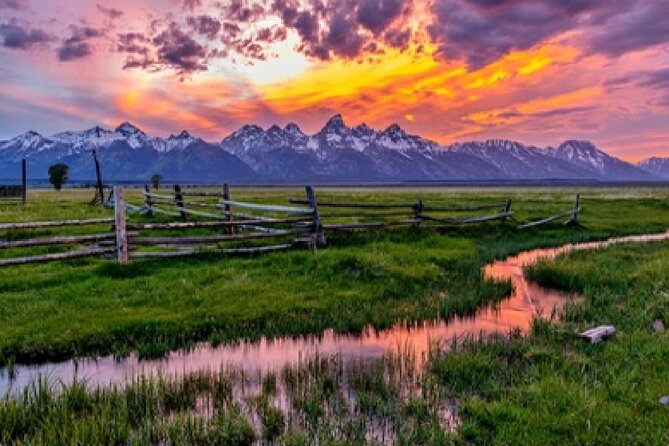
A sunset outing offers warmer conditions in summer and a slower change of light across the Snake River scenery and mountain backdrop. The same basic wildlife search applies, and animal activity can be good as the day cools.
I would choose sunrise if finding wildlife is your top goal and you can handle an early start. I would choose sunset if you want a more relaxed outing and prefer warmer conditions. Neither time guarantees more sightings, and the guide cannot control where animals appear.
Open-air safari vehicles, with a cold-weather backup
From June through mid-September, weather permitting, the tour uses a customized open-air safari vehicle. This is the most distinctive part of the experience. You feel closer to the surroundings, have a broad view in several directions, and can photograph the Tetons without looking through a regular van window.
The open design also has a drawback. Wind, cool temperatures, and rough dirt roads are part of the deal. Wear long pants, sturdy walking shoes, and a jacket. Summer does not mean warm from start to finish, especially at sunrise or after sunset. The open-air ride is not recommended if you have back problems.
From mid-September through May, the vehicle is enclosed, heated, and air-conditioned. Winter conditions call for serious snow gear: snow boots, snow pants or bibs, a winter jacket, gloves, a beanie, and a scarf. The heated vehicle makes the cold months practical, but you still need to dress for stops outside.
The tour uses both dirt roads and paved highways inside the park. That variety gives you access to different areas, but it means the ride can be bumpy. The enclosed vehicle is likely the better choice for anyone who values warmth and a smoother, more sheltered ride.
The wildlife search: what you might see
Grand Teton is home to about 60 mammal species and more than 300 bird species. The list of possible sightings is impressive, but the animals are wild, mobile, and seasonal.
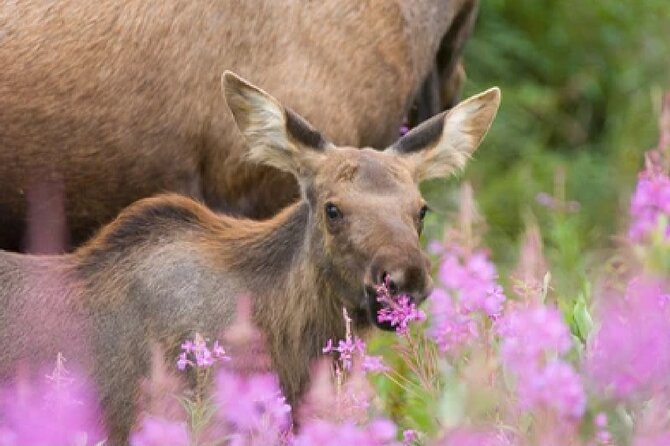
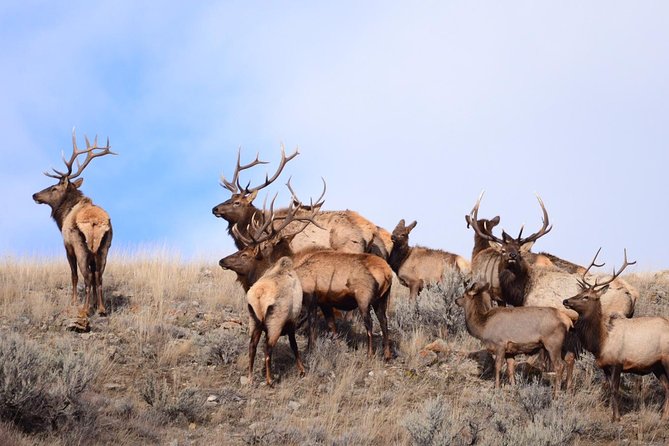
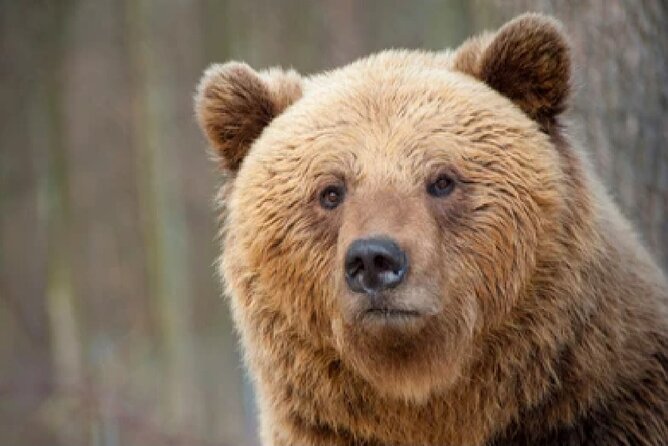
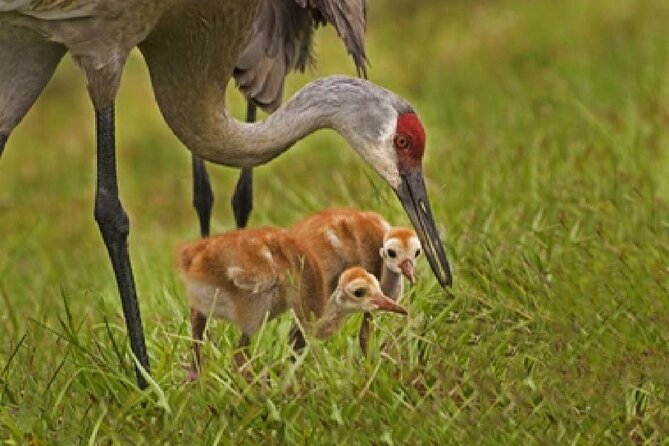
You might see elk, moose, mule deer, pronghorn, bison, bighorn sheep, black bears, grizzly bears, or wolves. The bird list includes bald eagles, golden eagles, sandhill cranes, ospreys, hawks, and owls.
The season changes the odds and the scenery. Spring and summer are especially good for bird watching, while animal movements shift as weather and food conditions change through the year. The guide may spend time scanning a large open field, peering into thick trees, or checking a river corridor rather than moving constantly from one stop to the next.
That patience can pay off. Sightings reported on these trips have included bison herds, several moose, pronghorn, black bears, grizzly bears with cubs, and even a wolf. One outing produced a pack of wolves visible through a large spotting scope. Those are memorable possibilities, not promises.
You should also set your expectations for distance. Some animals may be far from the road or partly hidden. The supplied binoculars are useful, and the guide’s scope can make a major difference. If you want close-up animal portraits, bring realistic expectations and a camera with a useful zoom.
A different kind of day, same corner of the map:
- From Jackson Hole: Yellowstone Old Faithful, Waterfalls and Wildlife Day Tour
★ 5.0 · 1,557 reviews - Grand Teton Half Day Tour
★ 5.0 · 1,067 reviews - Sunset 4-Hour Grand Teton Wildlife Adventure
★ 5.0 · 1,020 reviews - Tetons and Snake River Scenic Float Trip In Jackson Hole
★ 5.0 · 1,000 reviews
Why the binoculars and spotting scope matter
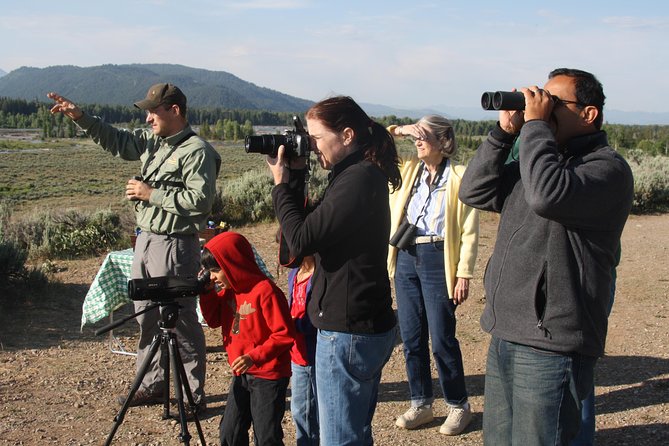
The included binoculars are more than a small convenience. They let you inspect a distant animal without having to buy or carry your own pair. This is especially helpful when a moose is tucked among trees or a bear is safely far from the vehicle.
The guide may also carry a spotting scope. That gives the group a brighter, steadier view of animals that are difficult to see with handheld binoculars. A good guide will help position the scope so each person gets a turn.
If you are visiting with children, this can be particularly valuable. One guide was praised for helping an eight-year-old get a clear view despite difficulty using binoculars. The small group helps here because the guide has more time to assist individual people.
The tradeoff is that you may spend several minutes waiting for your turn or sharing a single view. That is normal on a wildlife outing. The experience works best when you enjoy the search as much as the sighting.
Mormon Row and the famous barns
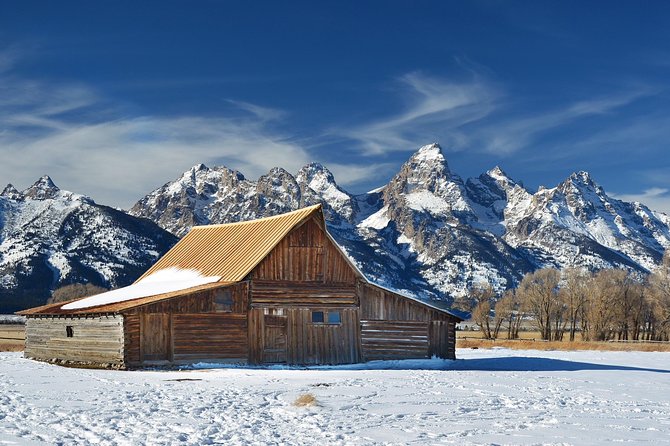
From March through November, the tour includes a stop in the Mormon Row Historic District. This area preserves the setting of some of Jackson Hole’s early Mormon homesteaders, with old barns framed by the Teton peaks.
You get about 20 minutes for photographs. The classic subject is the famous barn often described as the most photographed barn in America. Your guide stops at either the T. A. Moulton Barn or the John Moulton Barn, not necessarily both.
This stop adds a strong human element to a wildlife tour. You are not only looking at animals and mountain scenery. You are also seeing how people lived and worked in this broad valley, with the barns and homesteads set against the rugged mountains.
There is one seasonal limitation. Tours operating from December through February do not make the Mormon Row stop because snow coverage can prevent access. If the barns are high on your Jackson Hole wish list, book a March through November departure or visit the area separately.
Snake River views, geology, and park history
The wildlife search takes place against one of the park’s main visual attractions: the Snake River and the sharp Teton peaks. The guide makes frequent stops for photographs of the scenery, terrain, and landmarks.
Grand Teton’s geology is a major part of the story. The mountains rise dramatically above the valley, and your guide explains how the park’s landforms, plants, and wildlife fit together. You also hear about the area’s early settlers and the human history of the region.
This information gives the ride more substance between animal sightings. If the animals stay hidden, you still have the mountains, river views, old homesteads, and explanations of the park’s natural systems. That said, if you already know Grand Teton well and mainly want transportation to scenic viewpoints, the tour’s interpretation may be less valuable to you.
The guides are often praised for telling stories and answering questions. Kyle has been described as especially engaging, while Anthony was noted for explaining animal movements and park history. Kelsey and Taylor received praise for covering wildlife, the town, early settlers, and Jenny Lake during a sunset trip.
Snacks, photos, and the small-group advantage
The $159 price includes snacks, bottled water, and soda. That will not replace a meal, but it is useful during a four-hour outing, particularly when the tour timing falls between breakfast and lunch or before dinner.
Some guides also take photographs during the trip and send them afterward. This can be a real benefit when you are busy looking through binoculars or a scope. It also gives you a record of animals that may be too distant for your phone camera.
Do confirm the photo delivery details with your guide before leaving. The service has been offered within 24 hours on some trips, but it should not be the only reason you book.
The maximum group size is 12. That is small enough for a more personal feel than a large coach tour. You can ask about animal behavior, geology, or local history without trying to attract a guide’s attention across a crowded vehicle.
Is $159 a fair price?
At $159 per person, this is not a cheap way to drive through Grand Teton. You also pay the national park entrance fee separately. Summer hotel pickup and drop-off are not included, although winter and spring pickup may be available in the Jackson Hole area.
The value depends on what you need. If you already have a car, binoculars, park experience, and time to search on your own, you may decide the price is too high. One less successful outing produced only a partial moose sighting and a few pronghorn, leading the participant to feel that a self-drive trip would have offered similar results.
I see the value differently for a first visit. You are paying for a guide who drives while scanning for animals, carries viewing equipment, explains the park, chooses stops, and handles the search over four hours. You also avoid the distraction of trying to drive and watch the roadside at the same time.
The price makes the most sense if you want interpretation and a focused wildlife outing rather than simple transportation. It is less compelling if you only want a scenic drive or if you are uncomfortable paying for an experience with uncertain results.
Who will enjoy this safari most?
This tour fits you well if you want help finding wildlife, prefer a small group, and like learning about the park as you go. Families can benefit from the guide’s help with binoculars and spotting scopes, although children age five and younger are not allowed.
It also suits photographers who want repeated stops and access to distant animals through a scope. The open-air vehicle offers broad views in summer, but you must be willing to handle cold and rough roads.
The tour is less suitable if you have back problems, especially for the summer safari vehicle. It may also disappoint you if you expect animals to appear close to the road or if you need a guaranteed sighting of a bear, moose, or wolf.
Service animals are allowed, and most people can participate. The activity is offered in English and uses mobile tickets.
Should you book the Grand Teton wildlife safari?
I would book this if you have limited time in Jackson Hole and want a guide to organize the wildlife search for you. The small group, included binoculars, spotting scope access, park interpretation, and seasonal vehicle choices make it more useful than simply hiring a ride through the park.
Book early if your dates are fixed. The experience is often reserved well ahead, with an average booking time of about 33 days. Still, last-minute openings can occur.
Choose sunrise for cooler temperatures and an early start, or sunset for a gentler schedule. Bring more clothing than you think you need, especially in an open vehicle. If you want Mormon Row, avoid December through February.
Skip it if you are comfortable exploring Grand Teton alone and already own good viewing gear. For everyone else, this safari gives you a focused four hours in the park and a better chance of understanding what you are seeing, even on a day when the animals keep their distance.
FAQ
How long does the Grand Teton wildlife safari last?
The tour lasts approximately four hours and returns to the meeting point at 210 North Cache Street in Jackson.
Where does the tour start?
The listed meeting point is 210 N Cache St, Jackson, Wyoming 83001. Hotel pickup is available on request in the approved Jackson Hole area from November through mid-May.
What type of vehicle is used?
From June through mid-September, weather permitting, the tour uses an open-air safari vehicle. From mid-September through May, it uses an enclosed vehicle with heating and air conditioning.
Are binoculars provided?
Yes. Binoculars and a spotting scope are available for wildlife viewing.
Are food and drinks included?
Yes. Snacks, bottled water, and soda are included. Coffee is not listed as an included beverage.
Does the tour stop at Mormon Row?
Tours from March through November stop at Mormon Row and spend about 20 minutes photographing either the T. A. Moulton Barn or the John Moulton Barn. Tours from December through February do not make this stop because of snow coverage.
Are national park entrance fees included?
No. Grand Teton National Park entrance fees are not included in the $159 tour price.
Newly listed in Jackson
- Yellowstone National Park – Full-Day Lower Loop Tour from Jackson★ 5.0 · 502 reviews
- Snake River Scenic Float★ 5.0 · 534 reviews
- Whitewater Rafting in Jackson Hole: Small Boat Excitement★ 5.0 · 542 reviews
- Jackson Hole: Aerial Tram and Gondolas Sightseeing★ 4.8 · 632 reviews
- Jackson: Grand Teton National Park Guided Wildlife Tour★ 4.8 · 676 reviews
- Yellowstone Lower Loop Full-Day Tour★ 5.0 · 687 reviews
- Snake River Scenic Float Trip with Teton Views in Jackson Hole★ 5.0 · 864 reviews
- Sunrise 4-Hour Grand Teton Wildlife Adventure★ 5.0 · 899 reviews
Wildlife, compared.
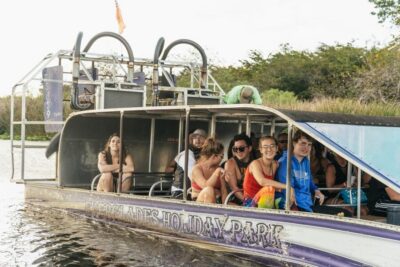
Everglades Airboat, Wildlife Show & Bus Transfer
Read our review →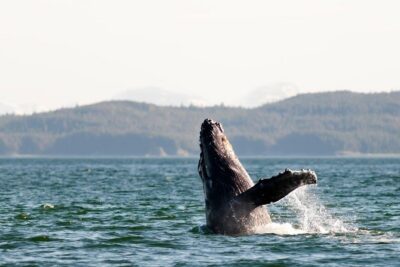
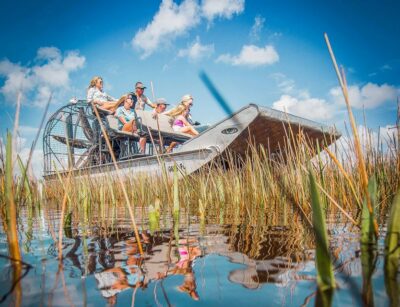
Everglades National Park Airboat Tour & Wildlife Show
Read our review →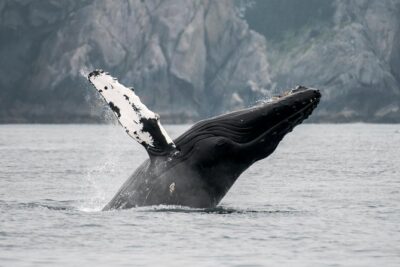
Juneau Wildlife Whale Watching & Mendenhall Glacier
Read our review →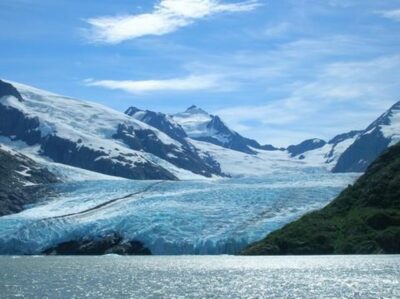
Wilderness, Wildlife, Glacier Experience from Anchorage
Read our review →
Shark and Wildlife Viewing Adventure in Key West
Read our review →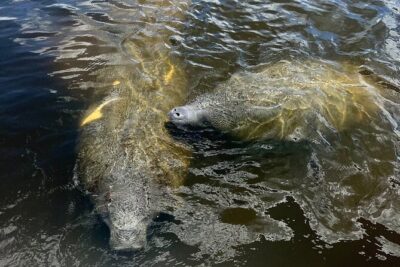
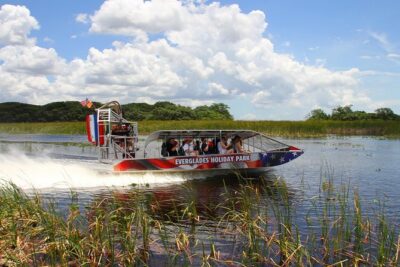
Everglades Airboat, Wildlife Show, and Roundtrip Bus From Miami
Read our review →Browse the lists this tour appears in