
Reviewed · NEW YORK CITY TOURS
NYC: SoHo, Little Italy, and Chinatown Guided Tour
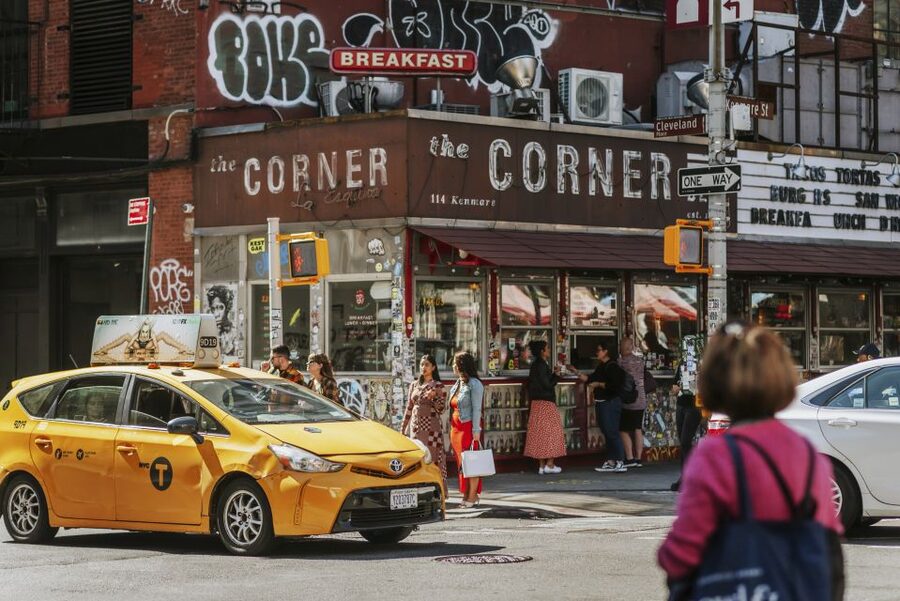
Lower Manhattan changes character every few blocks. On this two-hour walk, you move from civic New York and grand old buildings to Chinatown’s food streets, Little Italy’s Italian legacy, and SoHo’s cast-iron façades. The most interesting part is the way the guide links these districts rather than treating them as separate photo stops.
I like the personal storytelling, especially when guides such as Gary, Percy, Fred, Dave, Garrett, and Liz add local memories, pop quizzes, book suggestions, and food tips. I also like that you can buy small portions of dumplings and cannoli as you go, instead of paying for a fixed meal you may not want. The main consideration is pace: two hours covers a lot, so you get an excellent introduction, not a leisurely exploration of every street.
Key points at a glance
- City Hall to SoHo on foot: The route connects major landmarks with three very different neighborhoods.
- Dumplings and cannoli: Food stops on Mosco Street and at Ferrara Bakery add flavor, but food is not included in the $30 price.
- Local guides make the difference: Gary, Percy, Fred, Dave, Garrett, and Liz are among the guides praised for humor, personal stories, and clear explanations.
- Brooklyn Bridge views: You see the bridge, East River, and skyline while hearing about the bridge’s engineering and purpose.
- Good for first-time orientation: The walk gives you practical ideas for where to return after the tour.
- Small-group feel: The public tour is described as small-group, with private booking available if selected.
Starting beneath City Hall at Warren Street and Broadway
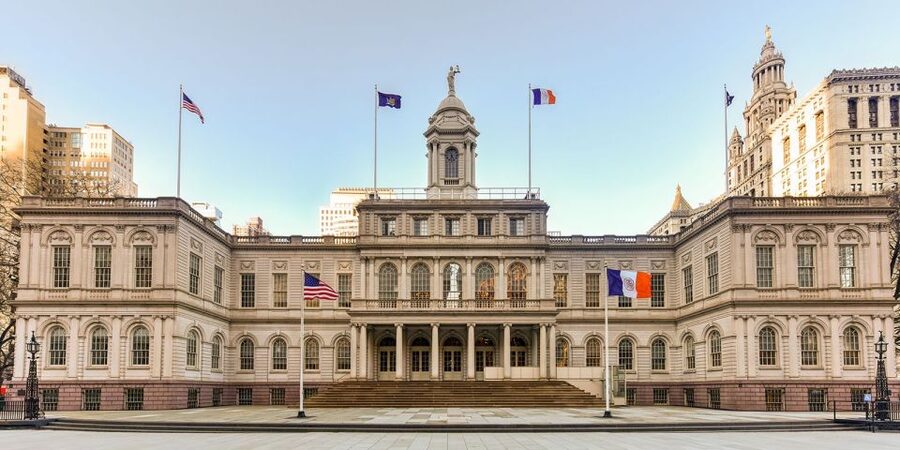
Meet your guide at the intersection of Warren Street and Broadway, in front of the City Hall subway station. This is a practical starting point because you are already near the civic center of Lower Manhattan, and the first part of the walk gives you useful context for the neighborhoods ahead.
The tour begins in City Hall Park, where New York’s government, public spaces, and older buildings come together. You will also see the Woolworth Building, one of the area’s most recognizable historic towers, before returning through the park.
The route includes St. Paul’s Chapel, another important Lower Manhattan landmark. The supplied details do not promise an interior visit, so expect the guide to discuss and point out the site rather than assume you will have time to explore inside.
This opening section matters because it frames New York as more than shops and restaurants. You start with the city’s public buildings and early development, then move toward immigrant neighborhoods and commercial streets. Guides have connected this area to subjects such as Collect Pond, the Dutch settlement, the Revolutionary War, LaGuardia Airport, and the people behind old mansions. The exact stories depend on your guide, but the aim is to show how the modern city grew from layers of earlier New York.
More to weigh up across New York City
- New York in One Day Guided Sightseeing Tour
★ 5.0 · 13,166 reviews - Central Park Pedicab Guided Tours
★ 5.0 · 7,108 reviews - From NYC: Guided Day Trip to Washington DC by Van or Bus
★ 4.7 · 3,418 reviews
The Brooklyn Bridge as a story, not just a skyline view
The walk continues toward the Brooklyn Bridge for sightseeing and photographs. You can expect views of the bridge, East River, and Manhattan skyline, though the route description does not say that the tour crosses the bridge. Treat this as a viewing stop rather than a bridge-walking excursion.
The bridge is especially useful on a guided walk because it is easy to admire the cables and stonework without knowing why the structure mattered. Your guide explains its engineering and its role in connecting Manhattan and Brooklyn. That turns a familiar postcard view into part of the city’s growth story.
This is also one of the better photo points on the route. Dave was praised for spotting photo opportunities, and several guides were noted for helping people see places that appear in films. Bring your camera, but keep it handy. The walk continues through busy streets, and you will not want to stop for long at every corner.
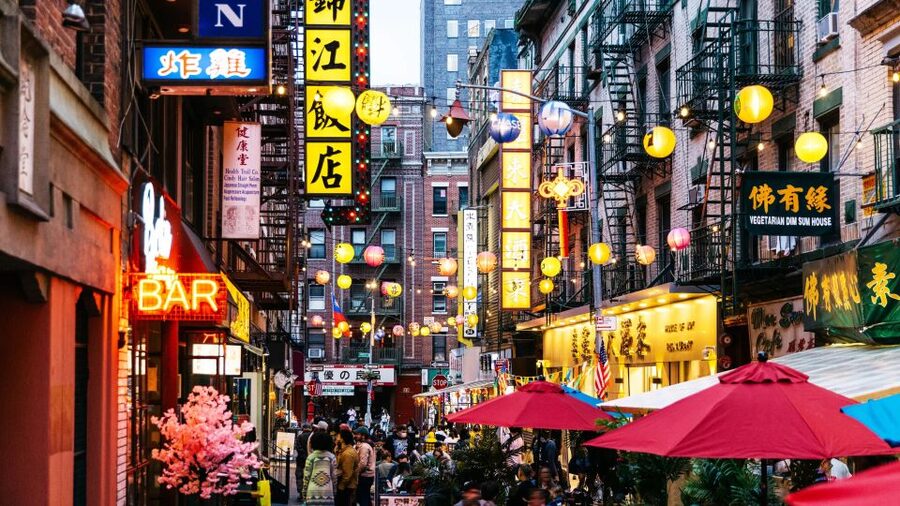
Chinatown on Mosco Street, where the food stop earns its place
Chinatown is the first major neighborhood stop. Here, the guide explains the area’s traditions and the cultural meaning of dumplings before leading you toward a food tasting on Mosco Street.
The dumplings are a pleasant feature because they give you something concrete to experience. You are not only hearing about Chinese food culture from a distance. You can pause for a bite, ask questions, and then continue with a better sense of how food shapes the neighborhood.
Food and drinks are not included in the $30 price, so plan to pay separately if you want dumplings. That arrangement has a useful side: you can choose whether to eat, how much to buy, and what fits your budget. One participant especially appreciated being shown a good place for fried dumplings, while others liked receiving food recommendations they could revisit later.
Do not expect a full Chinatown food crawl. This is a short tasting within a larger history walk. If you want a sit-down meal or several dishes, save time and appetite for after the tour. The guide can help you identify places worth returning to, but the two-hour schedule is built around movement.
Mulberry, Bayard, and Grand Streets connect the neighborhoods
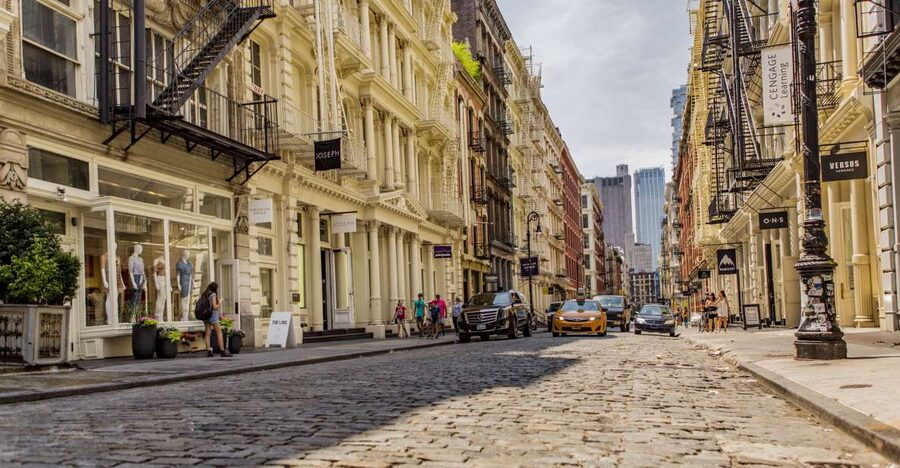
From Chinatown, the route follows streets including Mulberry and Bayard, with sightseeing along the way. This is where the tour’s structure works best. Instead of making you choose between Chinatown and Little Italy, it shows how close they are and how quickly the street scene shifts.
Mulberry Street is central to the Little Italy section, while Bayard Street helps show the overlap between the two communities. Grand Street then leads you toward SoHo. The streets are not simply a backdrop. They help explain how neighborhoods change as populations move, businesses adapt, and newer uses appear beside older traditions.
Your guide may also tell stories about the Italian Mafia and other local legends. That can add a lively edge to the walk, but it is worth keeping expectations sensible. This is not a crime tour. Mafia stories are one thread in a wider account of immigration, family businesses, food, architecture, and neighborhood change.
I find this middle section valuable for visitors who have walked these streets alone and wondered where one district ends and the next begins. A map can show the boundaries. A guide can explain why those boundaries are less tidy in real life.
A different kind of day, same corner of the map:
- NYC: SUMMIT One Vanderbilt Tickets
★ 4.7 · 51,195 reviews - NYC: Empire State Building Tickets – Observatory & Museum
★ 4.7 · 25,757 reviews - New York City: Statue of Liberty & Ellis Island with Ferry
★ 4.6 · 18,683 reviews - New York City: American Museum of Natural History Ticket
★ 4.5 · 15,447 reviews
Little Italy and a cannoli at Ferrara Bakery
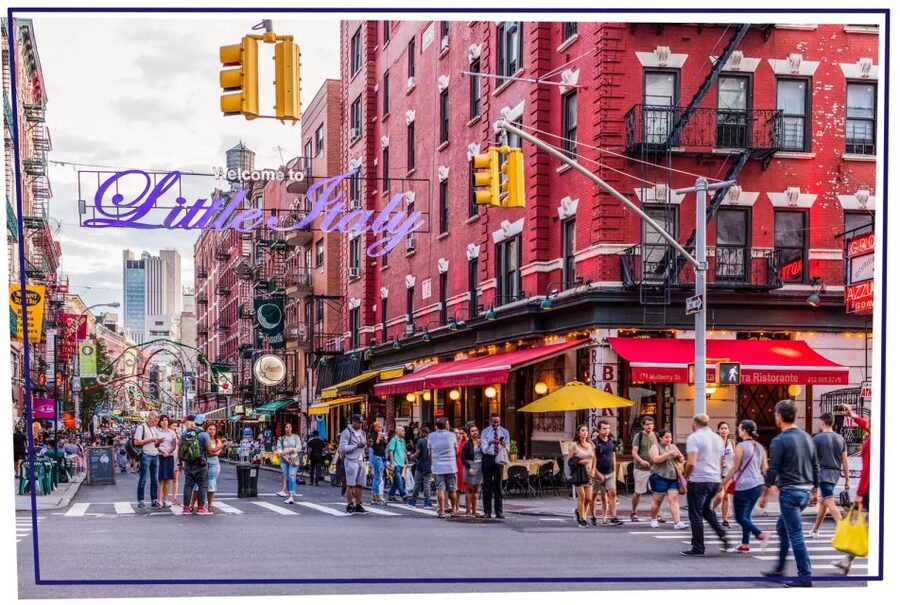
Little Italy brings the second food stop, at Ferrara Bakery & Cafe. The planned treat is cannoli, a classic Italian pastry, and the guide uses the stop to discuss Italian immigrants and the traditions preserved in this part of Manhattan.
Ferrara gives the tour a clear sensory pause after the Chinatown dumplings. The contrast is the point: two nearby neighborhoods, two food traditions, and two immigrant stories shaped by New York. You can buy a cannoli if you like, but the food remains an extra cost.
Several people particularly enjoyed the short stops for dumplings and cannoli. I think this works better than a long restaurant meal for a two-hour orientation walk. You get a taste without losing much of the route, and you leave with ideas for places to return to when you have more time.
Little Italy today is not a sealed historic exhibit. Shops, restaurants, and residents change, and the tour presents both the older identity and the present-day district. Guides have been praised for explaining how these communities evolved rather than presenting a frozen version of the past. That balance is important. You get the familiar red-white-and-green associations, but also a sense of how the neighborhood fits into modern Manhattan.
SoHo’s cast iron and the Haughwout Building
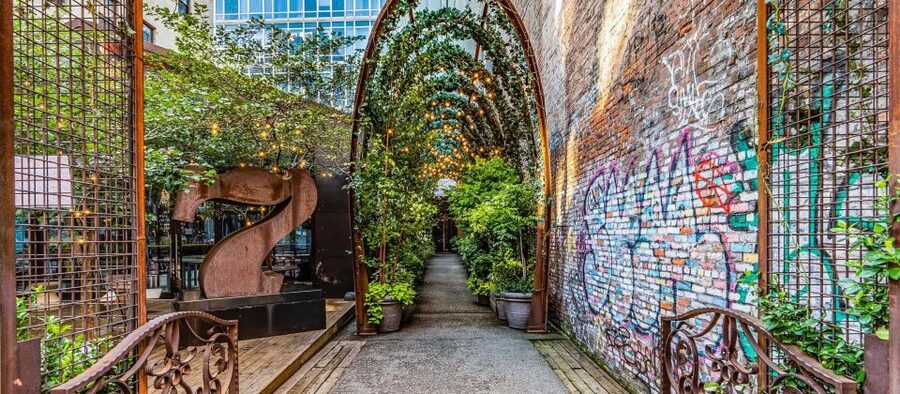
The final neighborhood is SoHo, reached through Grand Street and then its distinctive streets around Prince and Greene. Here, the focus turns from immigrant foodways to architecture, art, retail, and urban change.
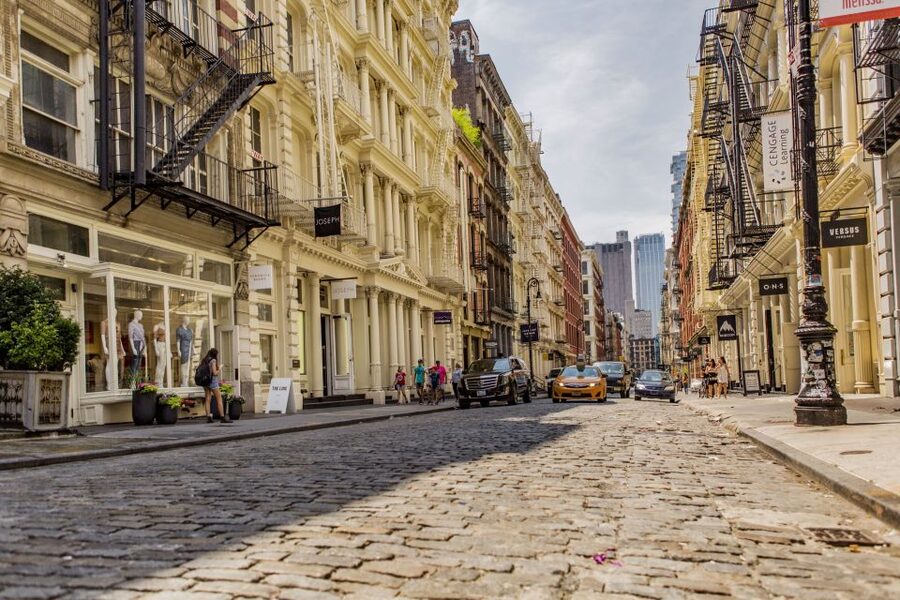
The Haughwout Building is a key stop. Its cast-iron exterior helps explain why SoHo feels different from much of Lower Manhattan. Greene Street and Prince Street offer more chances to look up at façades, photograph details, and hear how the district shifted from industrial use to galleries, boutiques, and creative businesses.
The guide’s job here is to explain that change without reducing SoHo to shopping. You hear about its industrial roots and its current role as a creative district. The contrast is easy to see as you walk: older building fronts, polished storefronts, art spaces, and busy sidewalks all share the same blocks.
The tour finishes on Prince Street in SoHo. That is a useful ending because you remain in a neighborhood with plenty of options for continuing on foot. You can browse, eat, or use the subway, though no post-tour activity is included in the experience.
Why the guides matter more than the route
The route is strong, but the guide will shape your experience. Names praised in the supplied material include Gary, Percy, Fred, Dave, Garrett, Liz, Jared, Care, Ray, Bryant, and Jim Quinn. Gary and Percy appear often in the feedback, with repeated praise for their humor, city knowledge, and ability to connect past and present.
That does not mean you should book based on one specific guide unless the reservation system allows you to select one. Guide assignments can change. The consistent pattern is more useful: this experience works best with a guide who tells stories, welcomes questions, and adjusts the pace.
Small groups can make a real difference. Several people described tours with only a few participants, and some had a private-feeling experience because they were the only booking. That allows more questions and a less formal walk, but a tiny group is not guaranteed on the public option.
The guides also seem to add practical value beyond facts. You may get recommendations for restaurants, return visits, books, and streets worth exploring later. One guide even used pop quizzes to keep the group involved. That style suits you if you like conversation and anecdotes more than a memorized speech.
Pace, comfort, and the real cost
The advertised duration is two hours, though one account described walking for just over two hours. The route is entirely on foot, so wear comfortable shoes and clothing. Weather-appropriate layers matter, especially in summer heat or rain. One July group found the heat challenging, while another tour continued successfully through rain by using sheltered spots along the way.
At $30 per person, the tour offers good value if you want a guided introduction to several major Lower Manhattan districts. You are paying for a local guide, a planned route, landmark interpretation, photo stops, and the convenience of moving between neighborhoods without having to research the connections yourself.
The value is less convincing if you want an extensive food tour or long visits inside buildings. Food is extra, hotel pickup is not provided, and the two-hour format leaves little time for lingering. Think of the price as an orientation fee, then budget separately for dumplings, cannoli, and any later meal.
The tour is wheelchair accessible, and the meeting point is easy to identify at the City Hall subway station. Check the available starting times when booking. Free cancellation is available up to 24 hours ahead, and you can reserve now and pay later, which helps if your New York plans are still shifting.
Who will get the most from this walk
I would choose this tour early in a New York visit, especially if you want to return to Chinatown, Little Italy, or SoHo on your own later. The guide gives you a map in story form, along with food suggestions and landmarks you might otherwise pass without noticing.
It suits first-time visitors, couples, families with older children, solo visitors, and people who enjoy local anecdotes. A solo participant described the small-group setting as feeling like exploring the city with a friend, which captures the appeal when the group is relaxed.
It also works for repeat visitors. One person who had already been to New York many times still learned new things and came away with subjects to investigate further. That is a good sign for the tour’s range, though your enjoyment will depend on how much you already know about Lower Manhattan.
You should skip it if you dislike walking, prefer a slow meal-based experience, or want major museum interiors. You should also avoid scheduling it too tightly before another timed attraction. Street crossings, food purchases, and questions can make the walk run a little beyond two hours.
Should you book the SoHo, Little Italy, and Chinatown tour?
Yes, if you want a compact, story-led introduction to three famous neighborhoods and do not mind buying your own snacks. The strongest reasons to book are the local guides, the clear neighborhood connections, the Brooklyn Bridge views, and the chance to sample dumplings and cannoli without committing to a full meal.
Book the public option for the best price and a chance to meet other people, or choose the private option if you want more control over pace and questions. Go in comfortable shoes, leave room in your schedule, and treat the food stops as optional tastes rather than included meals.
For $30, this is a sensible way to get your bearings in Lower Manhattan. It will not replace several days of exploring, but it can help you spend those days better.
FAQ
Where does the tour start?
Meet your guide at the intersection of Warren Street and Broadway, in front of the City Hall Subway Station.
Where does the tour finish?
The walk finishes on Prince Street in SoHo, New York, at the listed address of Prince St, New York, NY 10012.
How long does the tour last?
The advertised duration is two hours. One supplied account described walking for just over two hours, so allow a little flexibility afterward.
Are dumplings and cannoli included in the price?
No. Food and drinks are not included. You may buy dumplings in Chinatown and cannoli at Ferrara Bakery & Cafe as optional tastings.
Is the tour wheelchair accessible?
Yes, the activity information states that the walking tour is wheelchair accessible.
What language is the tour offered in?
The live tour guide and activity language are English.
Newly listed in New York City
- Official Private NYC Central Park Horse Carriage Ride Since 1970™★ 4.5 · 447 reviews
- NYC at Night: 3-Hour Luxury Bus Tour of Top Highlights★ 4.5 · 448 reviews
- From Manhattan: 5-Hour Bronx, Queens, and Brooklyn Bus Tour★ 4.7 · 451 reviews
- Private Guided New York City Tour by SUV★ 5.0 · 451 reviews
- Statue of Liberty Tour with Ellis Island and Immigration Museum★ 4.0 · 452 reviews
- NYC: Official Grand Central Terminal Tour★ 5.0 · 458 reviews
- Circle Line: NYC BEAST Speedboat Ride★ 4.5 · 458 reviews
- New York City: Sunset Yacht Cruise★ 4.9 · 461 reviews
New York City Tours, compared.

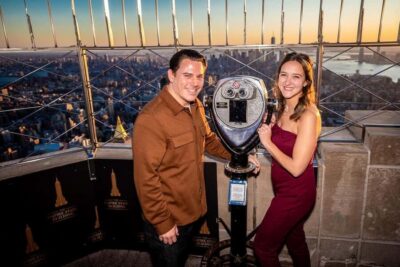
Empire State Building Tickets – Observatory & Museum
Read our review →

Statue of Liberty and Ellis Island Tour: All Options
Read our review →


New York CityPASS®: Save up to 41% at 5 Top Attractions
Read our review →Browse the lists this tour appears in