
Reviewed · NEW YORK CITY TOURS
NYC: Museum of Modern Art (MoMA) Entry Ticket
MoMA packs an astonishing amount of art into six floors, from Van Gogh’s The Starry Night and Monet’s Water Lilies to Warhol’s soup cans and Picasso’s boldest experiments. The museum is less about ticking off famous names than seeing how radically art changed from the 1880s onward.
I like the skip-the-ticket-desk entry and the fact that your ticket covers both the permanent collection and special exhibitions. I also like the free audio guide, daily film screenings, art-making labs, and the option to return to MoMA PS1 within 14 days.
The main catch is scale. You can spend two or three hours here and still miss major works, while popular rooms can become crowded. Plan your priorities before you enter, or the six floors may blur into one long gallery march.
Key points to know before you go
- Start high and work down: Floors 5 and 4 contain many of the best-known paintings, including The Starry Night and Warhol’s Campbell’s Soup Cans.
- Your ticket covers more than paintings: Special exhibitions, films, art-making labs, and MoMA PS1 entry for up to 14 days are included.
- Bring your own phone and headphones: The audio guide is downloaded to your device and is available in eight languages.
- Allow at least two to three hours: Four hours makes more sense if you want to see all six floors without rushing.
- Friday evening is the busiest period: The museum stays open until 8:30 PM on Fridays, with last entry one hour before closing.
- Families are welcome: Children 16 and under enter free, and the museum offers child-friendly explanations and art activities.
Why MoMA belongs on your Midtown schedule
The Museum of Modern Art is a strong choice if you want New York art in one manageable Midtown stop. Its collection follows the major shifts of modern art, beginning with European painting and sculpture from the 1880s and moving through film, design, photography, performance, and current work.
That range matters. You can look at a painting by Monet, then walk into a room shaped by Picasso, Matisse, or Gauguin, before encountering the raw energy of Pollock or the clean commercial language of Warhol. The museum gives you a visual story of how artists broke old rules and kept inventing new ones.
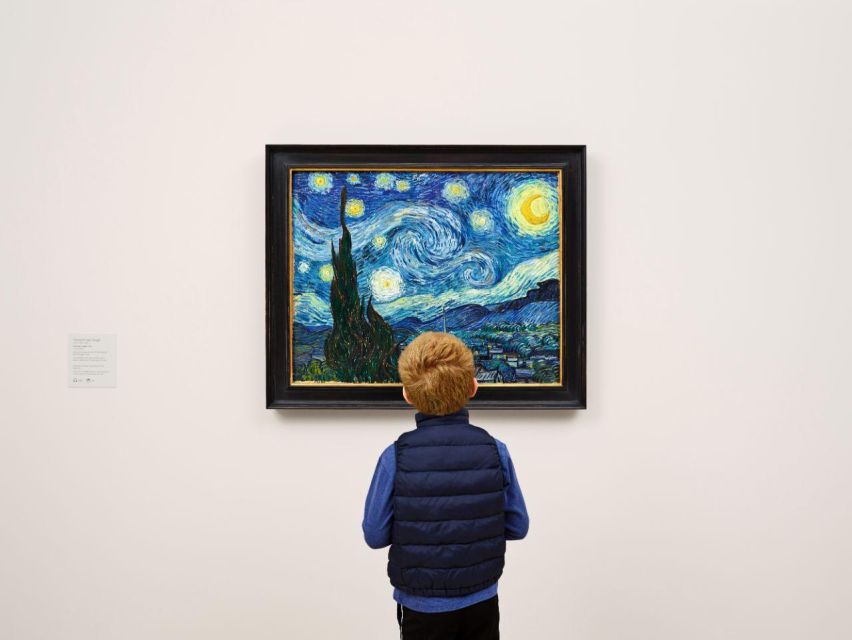
The famous works are a major reason to come. Seeing The Starry Night in person is different from seeing it on a screen or in a book. Its size, brushwork, and position in the gallery give it a physical presence that reproductions cannot match.
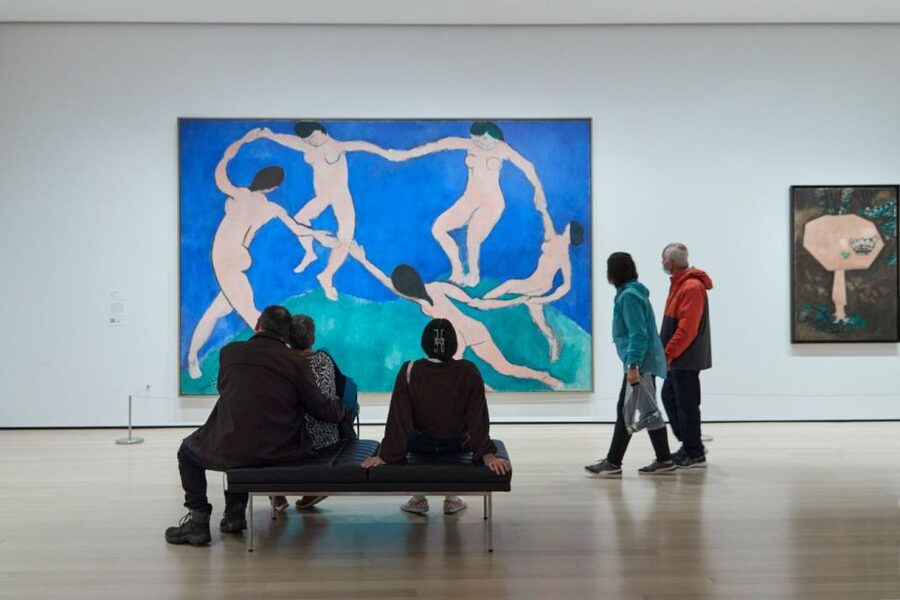
You will also find Water Lilies by Claude Monet, Picasso’s Les Demoiselles d’Avignon, Matisse’s Dance (I), and Warhol’s Campbell’s Soup Cans. Other major names represented here include Gauguin, Dalí, Pollock, Klimt, Van Gogh, Frida Kahlo, Edward Hopper, and Magritte.
Do not make the mistake of treating the famous works as the whole museum. The permanent collection also includes contemporary artists such as Elizabeth Murray, Cindy Sherman, and Ai Weiwei. Some of this work will appeal immediately, while some may leave you puzzled. That is part of the MoMA experience, but it also means the museum suits curious minds better than anyone seeking only familiar masterpieces.
More Museums in New York City
- NYC: Empire State Building Tickets – Observatory & Museum
★ 4.7 · 25,757 reviews - New York City: American Museum of Natural History Ticket
★ 4.5 · 15,447 reviews - 9/11 Memorial, Ground Zero Tour with Optional 9/11 Museum Ticket
★ 5.0 · 6,381 reviews
Entering at 11 West 53rd Street
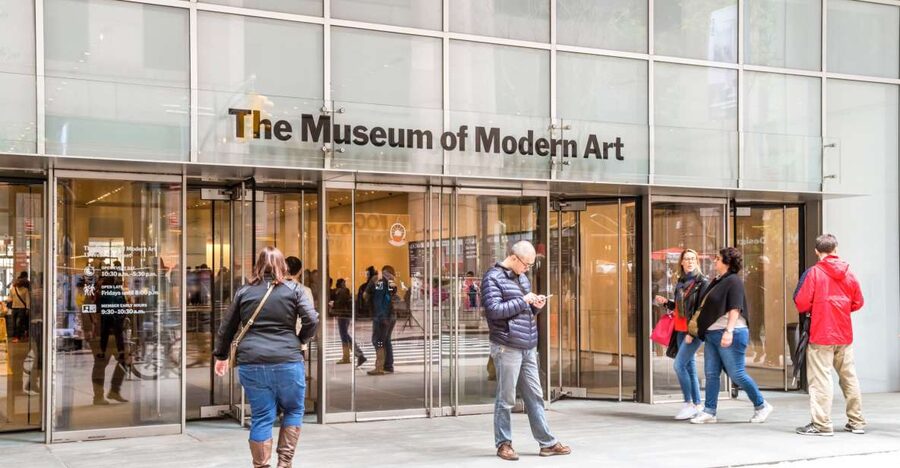
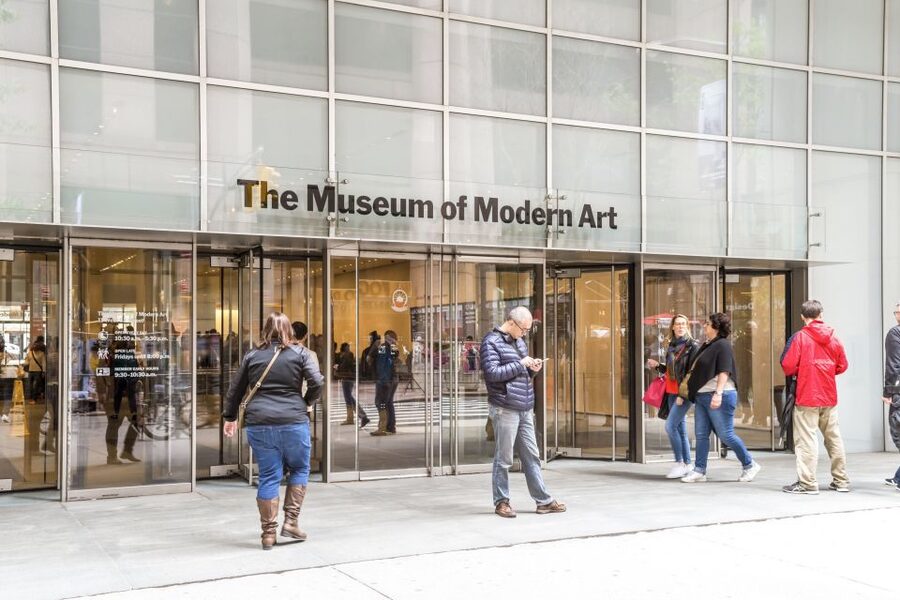
The museum is at 11 West 53rd Street in Midtown Manhattan. With a pre-booked ticket, you present your barcoded voucher to staff at an entry point for the galleries. You do not need to stop at the ticket desk, which saves time and removes one small chore from a busy New York day.
The ticket is valid for one day, and the museum operates from 10:30 AM to 5:30 PM daily. On Fridays, it remains open until 8:30 PM. Last entry is one hour before closing, so do not arrive near the final cutoff if you want more than a quick look.
I would avoid planning your visit around the last hour. Six floors require some walking, and the most popular rooms take time. A morning visit gives you a better chance of seeing major works at a calmer pace, while Friday evening offers extra hours but can be very crowded.
The museum is wheelchair accessible. Food and drinks are not allowed in the galleries, and large bags or luggage are not permitted, so arrive with only what you need. Bring a charged smartphone and headphones if you want to use the audio guide.
A smart route through six floors
Many people find it easiest to begin on Floor 5 and work downward. This gives you a useful chronological path through some of the most important paintings, and it avoids spending your best energy wandering without a plan.
Floor 5 is where you should head first if Van Gogh, Monet, Matisse, Picasso, Gauguin, Dalí, or other major modern painters are your priority. This level is likely to hold the works that first attracted you to MoMA, including The Starry Night. Check the museum’s current display information when you arrive, since not every work in the collection is always on view.
Continue to Floor 4 for later modern art and pieces such as Warhol’s Campbell’s Soup Cans. This is also a good place to consider how art moved from the personal and painterly toward mass media, repetition, popular products, and new ideas about what could count as art.
The remaining floors bring in more contemporary work and different media. You might encounter photography, design, film, installations, or art that asks more questions than it answers. If that material is not your preference, you can still make a satisfying visit by focusing on Floors 5 and 4.
That is not a failure to see the museum properly. Several people find the full building overwhelming, and limiting yourself to the floors that matter most can produce a better afternoon than forcing yourself through every room.
The masterpieces worth planning around
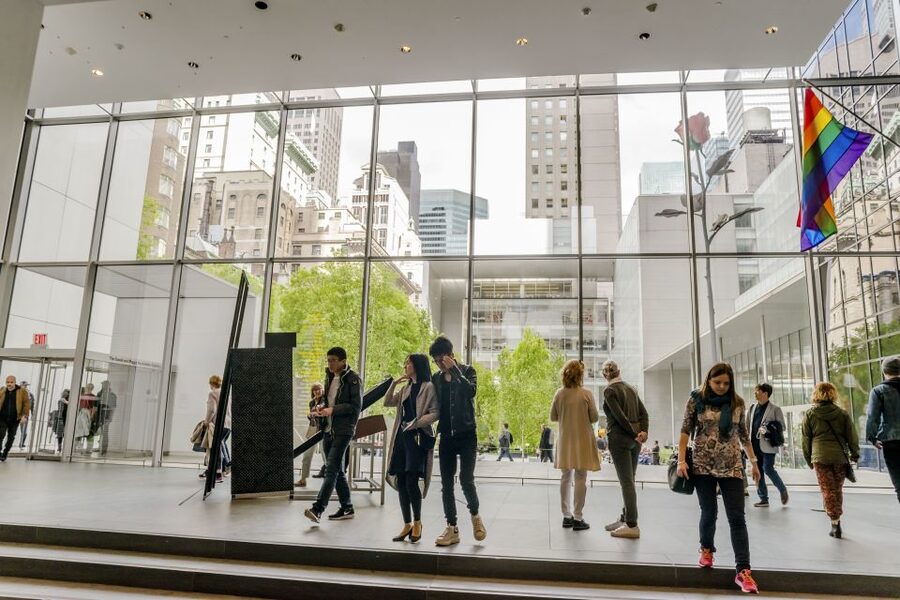
The Starry Night is the obvious magnet, and it can be crowded around the gallery. Give yourself time to look beyond the recognizable image. The thick, restless strokes and swirling sky are easier to appreciate when you step back and let the painting occupy your attention.
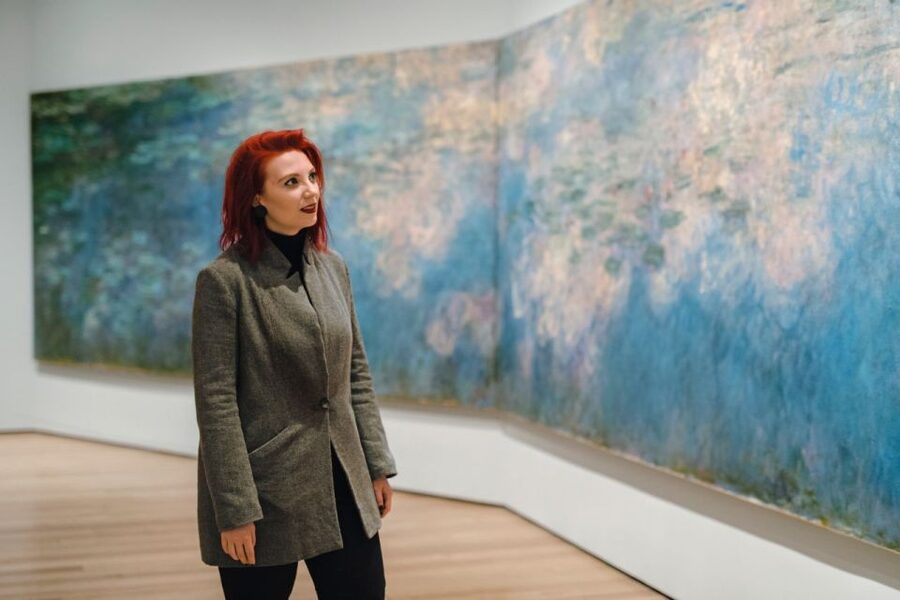
Monet’s Water Lilies offers a very different mood. Matisse’s Dance (I) brings bold color and movement, while Picasso’s Les Demoiselles d’Avignon challenges the way a human figure can be represented. These works are valuable together because they show different forms of artistic rebellion.
Warhol’s soup cans are useful for visitors who think modern art is too remote or difficult. The subject is ordinary, almost aggressively so. That is the point. Warhol turns a familiar grocery item into a question about repetition, advertising, consumer culture, and the boundary between commercial imagery and fine art.
Pollock provides another sharp change in tone. His paintings are not about a neat scene or a traditional subject. You can look at the surface as a record of motion, layering, and physical action.
Do not rush past smaller or less famous pieces. One of the pleasures of MoMA is moving from a masterpiece you already know to an artist you have never encountered. The museum’s collection can make modern art feel less like a list of movements and more like a series of arguments between artists.
More museums around New York City:
- 9/11 Memorial Museum Admission Ticket
★ 4.5 · 6,376 reviews - All-Access 9/11: Ground Zero Tour, Memorial and Museum, One World Observatory
★ 5.0 · 4,886 reviews - NYC: Intrepid Museum Entry Ticket
★ 4.7 · 4,687 reviews - NYC: Museum of Ice Cream Entry Ticket
★ 4.3 · 2,619 reviews
Special exhibitions, film, and hands-on activities
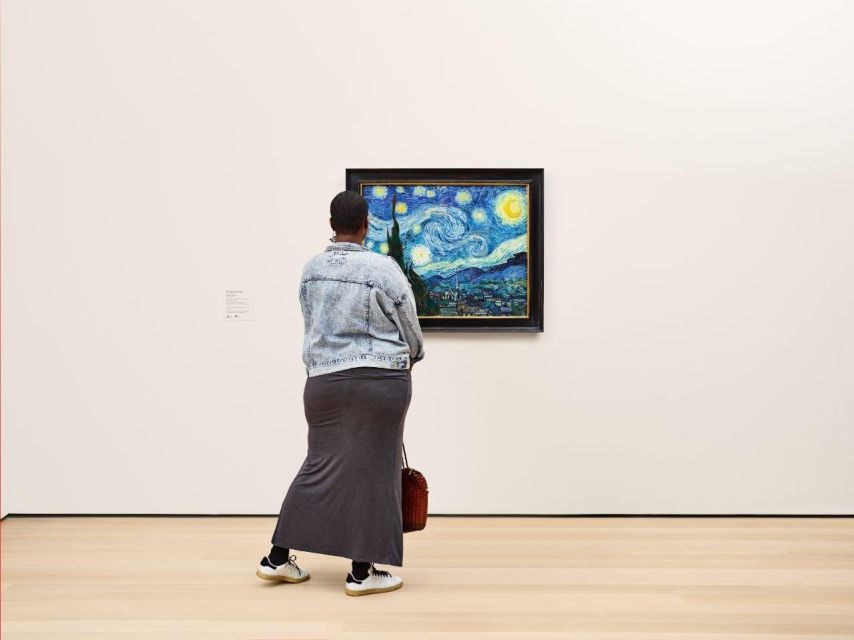
Admission includes all special exhibitions shown during your visit, not only the permanent collection. Exhibition schedules change, so check the dates before you go.
The listed exhibitions include Crafting Modernity: Design in Latin America 1940-1980, scheduled through September 22, and Joan Jonas: Good Night Good Morning, scheduled through July 6. Upcoming exhibitions include Käthe Kollwitz from March 31 through July 20 and LaToya Ruby Frazier from May 12 through September 7.
These exhibitions can change the shape of your day. A temporary show may focus on one artist, region, medium, or idea, giving you a more concentrated experience after the broad sweep of the permanent galleries.
Daily film screenings and art-making labs are also included with admission. The supplied details do not specify screening times or lab schedules, so check the day’s program inside the museum. If you have children with you, these activities can break up the gallery time and give them something active to do.
MoMA also welcomes families and children. Young visitors may respond more readily to color, strange shapes, familiar objects, or moving images than to a long run of traditional paintings. Children 16 and under enter free, which makes the museum easier to fit into a family budget.
Using the audio guide on your phone
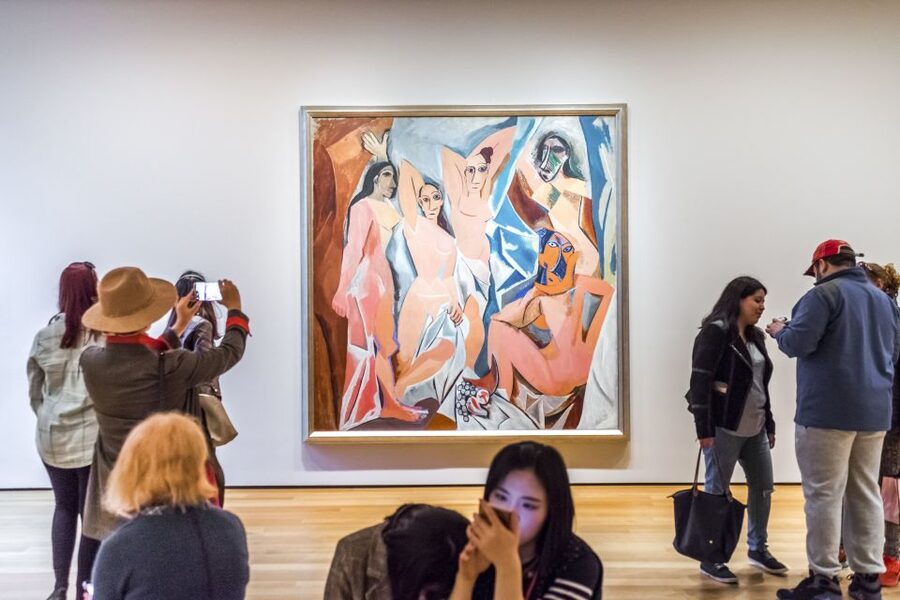
The downloadable audio guide is available in English, Spanish, Chinese, French, German, Italian, Japanese, and Portuguese. You use the MoMA app or mobile site on your own phone, with free WiFi available throughout the museum.
This is a useful feature because MoMA can be hard to read at first glance. A short explanation may show you why a work mattered, how an artist approached a problem, or what you should notice in an unfamiliar piece.
Bring headphones and charge your phone fully before you arrive. The guide is not a separate handset, so your phone is your map, audio player, and access point. One practical warning: QR codes and audio links may not always cooperate, so allow a few minutes to get the system working before you settle into the galleries.
You do not need to listen to everything. I would use the guide for the works that puzzle you or for artists you already care about. If you try to hear every explanation, the museum can turn into a long sequence of stops instead of a visual experience.
How long should you spend at MoMA?
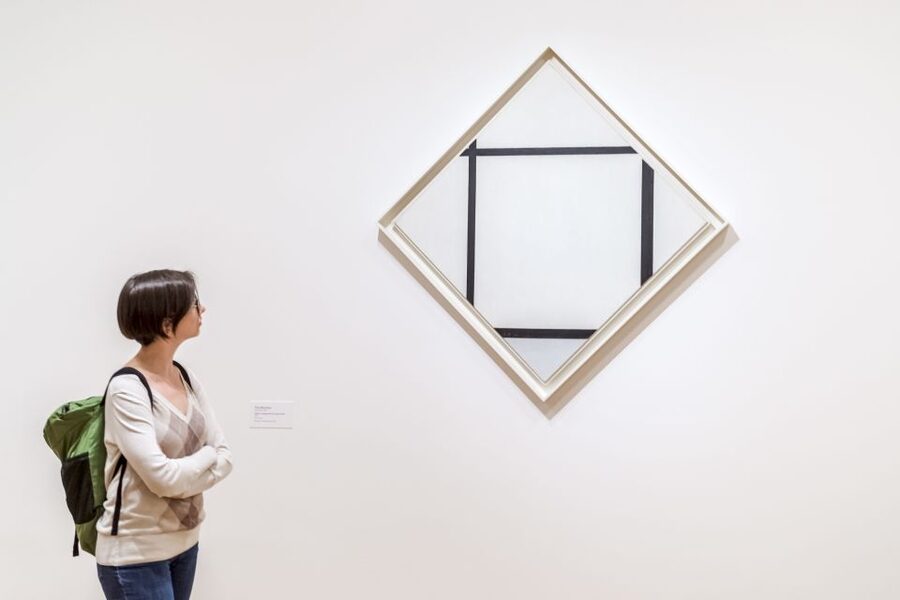
Two hours is enough for a focused visit to Floors 5 and 4. That approach lets you see major paintings without racing through them.
Three hours is a better target for most first visits. It gives you time for the principal modern art galleries, some contemporary rooms, and a break if needed. Four hours suits anyone who wants to see all six floors, explore a special exhibition, or include film and art-making activities.
Do not judge the museum by how many rooms you complete. A long museum day can produce visual fatigue, especially when each gallery contains work that demands attention. Pick a short list before entering, then leave room for surprises.
A useful plan is:
- Begin on Floor 5 with the major modern paintings.
- Move to Floor 4 for Warhol and related later works.
- Choose selected contemporary galleries rather than trying to inspect every piece.
- Add a special exhibition if its subject interests you.
- Check the film and art-making schedule before leaving.
- Finish with the sculpture garden or a meal if you still have energy.
The sculpture garden is a welcome pause from enclosed galleries. It gives you space to think about what you have seen, rather than immediately stepping back into Midtown traffic.
Dining, shopping, and the MoMA building
The building itself contributes to the visit. Its clean, airy design gives the art room to breathe, and the layout is generally easy to follow once you choose a starting floor. At the same time, the galleries can feel confusing if you arrive without a route.
MoMA has three restaurants. The Modern has two Michelin stars, making it a serious dining option rather than a basic museum cafe. Other food choices are available within the museum, and a terrace cafe can be a pleasant place to pause when conditions are right.
You should not feel obliged to eat there. Midtown has many alternatives, and the museum’s food is an extra cost on top of your ticket. But an on-site break can save time, especially if you are treating MoMA as a half-day visit.
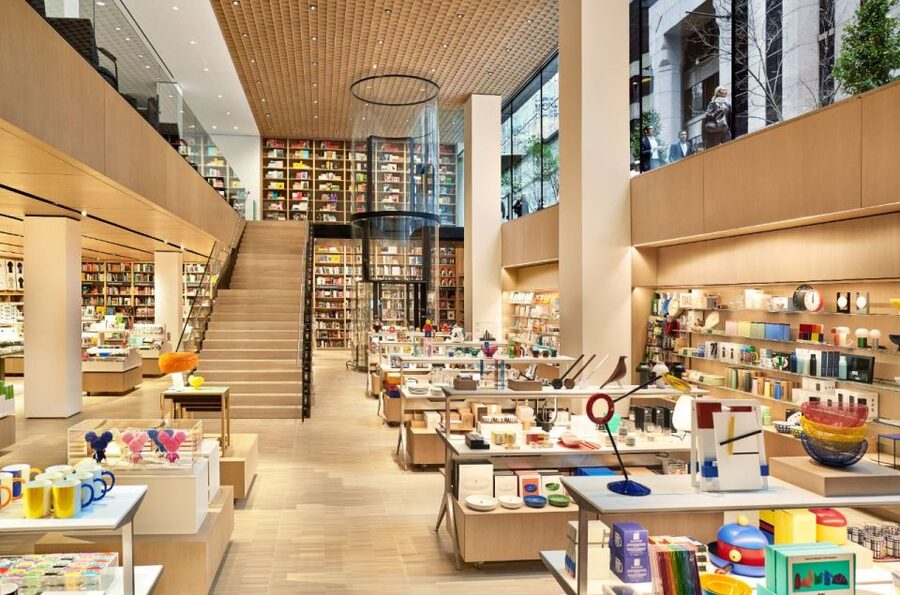
The MoMA Design Store is worth a look even if you are not buying. It carries books, design objects, jewelry, furniture, clothing, and other items linked to modern design. It is a good place to find a more distinctive souvenir than the usual city magnet, though it can encourage unplanned spending.
Is the $30 ticket good value?
At $30 per person, this is not a cheap museum stop. The value depends on how you use it.
The price covers admission for one day, the permanent collection, special exhibitions, free WiFi, multilingual audio content, daily film screenings, and art-making labs. It also includes entry to MoMA PS1 for up to 14 days after your MoMA visit. If you plan to use even some of those extras, the ticket becomes easier to justify.
The skip-the-ticket-desk feature adds practical value. You avoid buying at the entrance and can go directly to the gallery entry point with your barcode. That is especially helpful when your New York schedule is tight.
The ticket is less worthwhile if you only have 45 minutes or if modern and contemporary art hold little interest for you. MoMA rewards time. A rushed visit can leave you feeling that you paid for six floors but used only one.
Children 16 and under enter free, which changes the calculation for families. Adults who spend three hours or more inside, see a special exhibition, and use the added programs are getting a full museum day rather than a quick photo stop.
Who should book this MoMA visit?
I would book it if you want to see landmark works by Van Gogh, Monet, Picasso, Matisse, and Warhol in one central New York museum. It is also a strong choice for anyone interested in design, photography, film, or contemporary art.
Families can make good use of the free child admission, art-making labs, and child-friendly explanations. First-time museum visitors may appreciate the audio guide, but you should still set a modest goal instead of trying to understand every work.
Art specialists could spend much longer here and may want to check which parts of the collection are currently displayed. The museum rotates works and not every piece is always visible, so a particular favorite is never guaranteed.
I would skip it only if your schedule is too short for at least two focused hours or if your main interest is old master art. MoMA is about modern and contemporary work, and some rooms may feel challenging or emotionally distant if you prefer traditional painting.
FAQ
Where do I enter the Museum of Modern Art?
Enter at 11 West 53rd Street in Midtown Manhattan. Present your barcoded voucher to museum staff at an entry point for the galleries. You do not need to check in at the ticket desk.
How long is the MoMA ticket valid?
The ticket is valid for one day. Check availability for the starting times offered when you book.
What are MoMA’s opening hours?
MoMA operates daily from 10:30 AM to 5:30 PM. On Fridays, it stays open from 10:30 AM to 8:30 PM. Last entry is one hour before closing.
Is the audio guide included?
Yes. You can download the audio guide through the MoMA app or mobile site and use it on your own charged smartphone. It is available in English, Spanish, Chinese, French, German, Italian, Japanese, and Portuguese.
What should I bring for the audio guide?
Bring headphones and a charged smartphone. Free WiFi is available throughout the museum.
Does admission include special exhibitions and MoMA PS1?
Your MoMA ticket includes the permanent collection and all special exhibitions. Entry to MoMA PS1 is also included for up to 14 days after your MoMA visit.
Is MoMA suitable for children and wheelchair users?
Yes. The museum is wheelchair accessible, and families and children are welcome. Children ages 16 and under enter free. Daily film screenings and art-making labs are included with admission.
Should you book?
For most first-time New York visitors with a few hours to spare, yes. The $30 ticket gives you direct entry to one of the city’s most important modern art collections, along with special exhibitions, films, art activities, and later access to MoMA PS1.
Book it when you can give the museum at least two hours, and aim for three if you want the visit to feel relaxed. Start on Floor 5, work downward, bring headphones, and choose your must-see paintings before you arrive. If you do that, MoMA becomes a rewarding half-day rather than an exhausting race through six floors.
Newly listed in New York City
- Official Private NYC Central Park Horse Carriage Ride Since 1970™★ 4.5 · 447 reviews
- NYC at Night: 3-Hour Luxury Bus Tour of Top Highlights★ 4.5 · 448 reviews
- From Manhattan: 5-Hour Bronx, Queens, and Brooklyn Bus Tour★ 4.7 · 451 reviews
- Private Guided New York City Tour by SUV★ 5.0 · 451 reviews
- Statue of Liberty Tour with Ellis Island and Immigration Museum★ 4.0 · 452 reviews
- NYC: Official Grand Central Terminal Tour★ 5.0 · 458 reviews
- Circle Line: NYC BEAST Speedboat Ride★ 4.5 · 458 reviews
- New York City: Sunset Yacht Cruise★ 4.9 · 461 reviews
New York City Tours, compared.
Empire State Building Tickets – Observatory & Museum
Read our review →

Statue of Liberty and Ellis Island Tour: All Options
Read our review →

New York CityPASS®: Save up to 41% at 5 Top Attractions
Read our review →
Circle Line 2h Harbor Lights Cruise Skip-The-Box-Office
Read our review →Browse the lists this tour appears in